
Discover Diso: Churches, Olive Mill and Coast
Diso combines sacred architecture, underground history, distinctive stone monuments and an impressive coastal landscape. If you would like to combine different interests on your trip to Italy, the range of attractions extends from the Chiesa Parrocchiale and the Santuario di S. Maria Costantinopoli to the Insenatura Acquaviva and the historic towers.
Sacred Architecture and Traces of Local History
After several renovation phases, the Chiesa Parrocchiale acquired its present form at the beginning of the 20th century. Inside, it has a neoclassical appearance, while an old façade in an elegant Baroque style provides a different architectural accent.
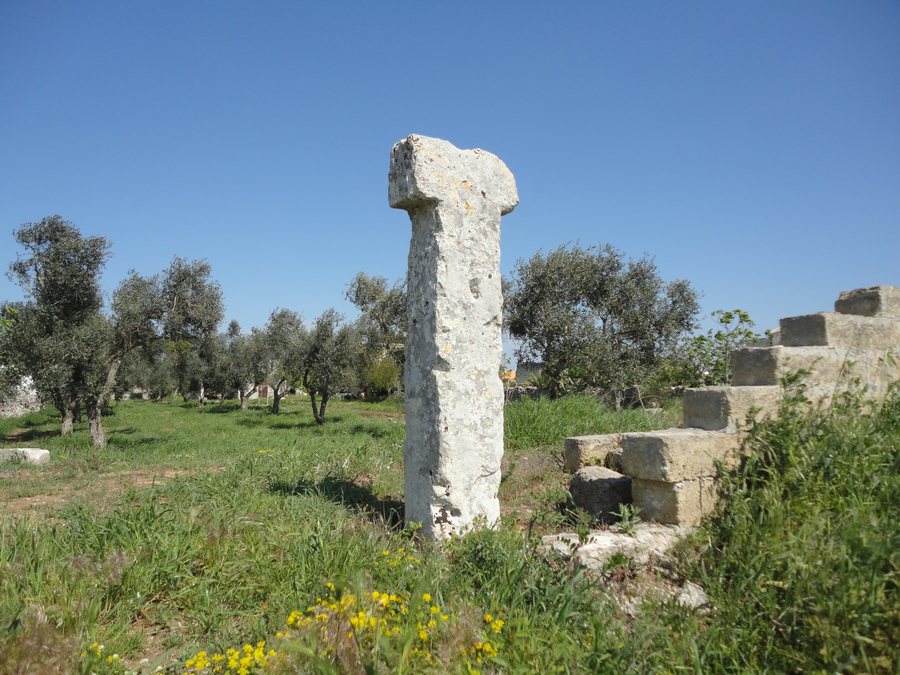
Another testament to local history lies beneath the entire historic town centre: the underground olive mill from the 17th century is the only surviving facility of a former network. The Menhir di Vardare complements this picture with an unusual, T-shaped upper end and three carved crosses. It is considered an accessible site and thus also offers visitors with different needs a special point of reference in the town’s history.
The Santuario di S. Maria Costantinopoli was built in 1610 in the Franciscan style and later expanded in the Baroque style. Its furnishings include a 1691 crucifix altar made of Lecce stone and a small organ with lead pipes from the 18th century. Both details draw attention to craftsmanship and to the sanctuary’s development over time.
The Colonna Osanna also combines material, form and religious use: it was erected in 1620 from worked Lecce stone, is topped by a cross and was used during the procession on the Feast of the Ascension. The town towers of Diso were built by the Universitas or by private individuals as protection against attacks by Turkish pirates. The Torre di Alfonso is considered the largest, most important and artistically outstanding of Diso’s town towers.
Coast, Landscape and Practical Information
The Insenatura Acquaviva reveals a distinctly different side of the surrounding area. Two steep, partly almost vertical coastal slopes frame the bay; Mediterranean scrub covers the bed and mouth of an old stream. The Insenatura Acquaviva is a beach used for swimming in summer. There is a restaurant, a bar, parking spaces, showers and toilets there.
The Torre Lupo has a long coastal history: it is one of the oldest coastal towers in Salento and dates from the late 15th or early 16th century. It can be reached via an old road from the historic centre of Marittima through a rocky rural area with dovecotes and dry-stone walls. Diso is therefore suitable for a trip in which architecture, local history and the coastal landscape do not have to be reduced to a single holiday theme.
Check prices, availability and amenities for your travel dates directly on Booking.com.
View Accommodation and OffersAdvertisement · Affiliate link to Booking.comMore Destinations
Martano, Poggiardo, Veglie, Tricase, Sant'isidoro, Porto Badisco, Tuglie, Torre Mozza
To the higher-level travel overview: Lecce.

