
Lecce between Baroque, Archaeology and Everyday Life in Southern Italy
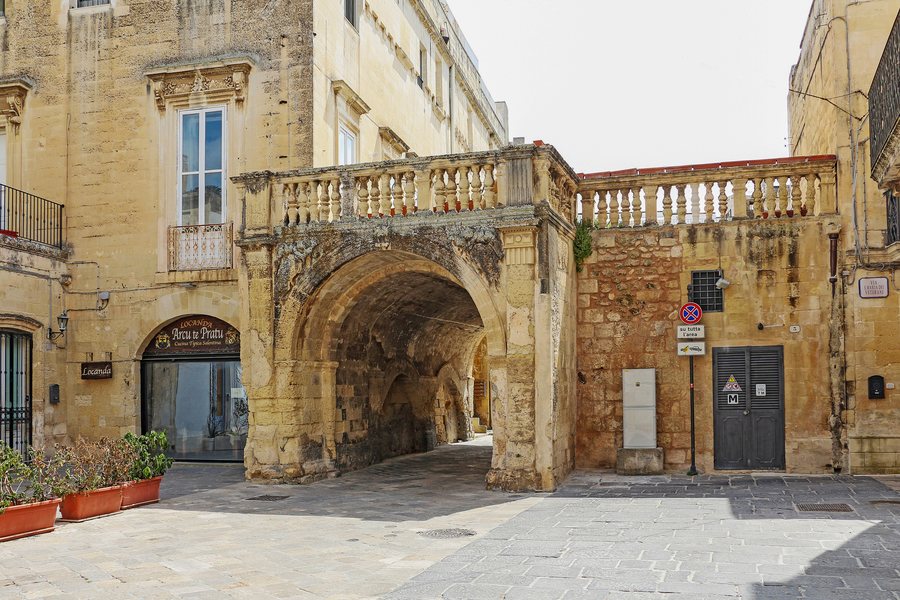
Lecce combines a historic center that can be explored on foot with Baroque architecture, archaeological remains, and museums dedicated to art and regional history. The Barocco Leccese shapes the cityscape between portals, churches, towers, monuments, and residential buildings. It developed in Lecce between the second half of the 16th century and the end of the 17th century.
Baroque Squares and Historic Walking Tours
The Basilica di Santa Croce is considered the most important example of the Barocco Leccese. On Piazza Sant'Oronzo, the architectural mix gives the square the appearance of an open-air museum. The Roman Amphitheater is still visible today at around one-third of its original dimensions and hosts cultural and musical events.
Several walking tours explore different periods of the city. Palazzo Vernazza offers a visitor tour through Lecce's Messapian, Roman, Renaissance, and Baroque periods. LeccEcclesiae organizes a discovery tour of the most important Baroque churches. The Mura Urbiche preserve the northwestern section of the 16th-century city walls, including the Bastione San Francesco. The visit includes a footbridge to the bastions' ramparts and multimedia exhibitions in the underground area.
Archaeology from the Messapians to the Roman Era
The Parco Archeologico Rudiae is located on the site of a city founded by the Messapians. The site includes a Roman amphitheater built under Trajan. The visitor route begins in the Fondo Acchiatura area. There, visitors can see two paved streets running at right angles to each other and a place of worship. A Hellenistic hypogeum is also present but is not accessible. The tour also offers an elevated view of the amphitheater and leads over a steel staircase.
The Museo Sigismondo Castromediano presents archaeological finds from prehistoric, Messapian, and Roman Salento. At the Museo del Teatro Romano, the exhibition "Roma. La scena della vita" focuses on stage design and illusionistic representation in the Roman world. Nine theater masks from Hadrian's Villa in Tivoli and a model of imperial-era Lupiae provide further insights. The Museo Faggiano, a historic building owned by the Faggiano family, makes tombs, cisterns, granaries, and passageways from various periods, beginning with the Messapians, accessible to visitors.
Art, Churches and Special Collections
The MUSA – Museo Storico-Archeologico dell'Università del Salento documents historical and archaeological research from Salento and other Mediterranean regions in five halls. The Fondazione Biscozzi | Rimbaud presents a permanent exhibition of representative works from its collection in a historic building in central Lecce. The chronological tour ranges from the origins of contemporary art through informal, abstract-geometric, kinetic-programmed, and analytical art to explorations beyond the traditional boundaries of painting and sculpture. Rooms for temporary exhibitions and an art history library are used for conferences and events.
The Museo Diocesano di Arte Sacra – MUDAS is located in the Antico Seminario at Piazza Duomo 5 and displays liturgical vestments owned by Lecce Cathedral. The Chiesa dei Santi Niccolò e Cataldo was founded in 1180 by King Tancredi, Count of Lecce; a finely framed Norman portal and a Norman rose window have been preserved. At the MUST, the exhibition occupies a large part of the former 15th-century Santa Chiara convent in the historic center.
Local Flavors in Lecce
The city is also known for two culinary classics: Caffè alla leccese is coffee with ice and almond milk. Pasticciotto leccese refers to a shortcrust pastry filled with pastry cream. Both terms give your travel planning a specific culinary connection to the city.
Check prices, availability, and amenities for your travel dates directly on Booking.com.
View Accommodation and OffersAdvertisement · Affiliate link to Booking.comDiscover More Destinations
For further travel planning, you can also include Melpignano, Montesano Salentino, Felline, Maglie, Rivabella, Ruffano, Surano and Galugnano in your selection.
Useful for planning: Castello Carlo V di Lecce is closed on Mondays and can be visited from Tuesday to Sunday between 10:00 a.m. and 8:00 p.m.
For the higher-level travel overview: Lecce.

.jpg)