
Parabita: Churches, Museums and Beaches
Parabita Among Churches, Museums and Local History
Parabita combines the Basilica di Santa Maria della Coltura, the Museo del Manifesto and the annual patronal festival with further historical landmarks and beaches in the surrounding area. For you as a traveller wishing to get to know the town through its buildings, works of art and customs, this creates several clearly distinguishable approaches: sacred architecture, museum culture and a local history that reaches back to prehistoric times.
Architecture of the Madonna della Coltura
The Basilica di Santa Maria della Coltura was built in 1913 according to a design by the architect Napoleone Pagliarulo. Its construction combines Romanesque-Byzantine, Gothic and Apulian Romanesque styles. The basilica also contains a monolith with a Byzantine fresco of the Virgin Mary dating from approximately the 12th century. This gives you an insight into several artistic periods within a single sacred building.
Religious and Historical Landmarks
The Santuario della Madonna della Coltura was elevated to the status of a minor basilica in November 1999. Another prominent church is the Chiesa del SS. Crocefisso e Convento degli Alcantarini. The Alcantarines came to Parabita in 1731 and completed their church and monastery a few years later. The Chiesa features late Baroque design, four elaborately crafted twisted columns, a central fresco of the Holy Cross, as well as sculptures, stucco work and statues made from Lecce stone. It also houses an 18th-century nativity scene from the Neapolitan school.
Palaces and Poster Art
The Palazzo Ferrari, dating from 1800, is located on Via Vittorio Emanuele III in Parabita. It is owned by the municipality and today houses the Quadreria Giannelli. The Museo del Manifesto was also founded in Parabita in 1982. Its extensive poster collection includes sections devoted to cinema, theatre, tourism, advertising and politics.
Traces of Prehistory
In the archaeological area of the prehistoric village near the Grotta delle Veneri, traces of this archaic building system are still visible. The Upper Palaeolithic figurines from the Grotta delle Veneri can now be seen at the Museo Archeologico Nazionale di Taranto.
Festival Traditions and Local Heritage
Parabita’s annual patronal festival takes place on the last Saturday, Sunday and Monday in May and includes the running competition known as “a corsa ti curraturi”. A local tradition associates the name “Cutura” with the possible custom of distributing “Panetteddhri”, blessed bread, during the festival of the Madonna della Coltura.
Beaches and Destinations in the Surrounding Area
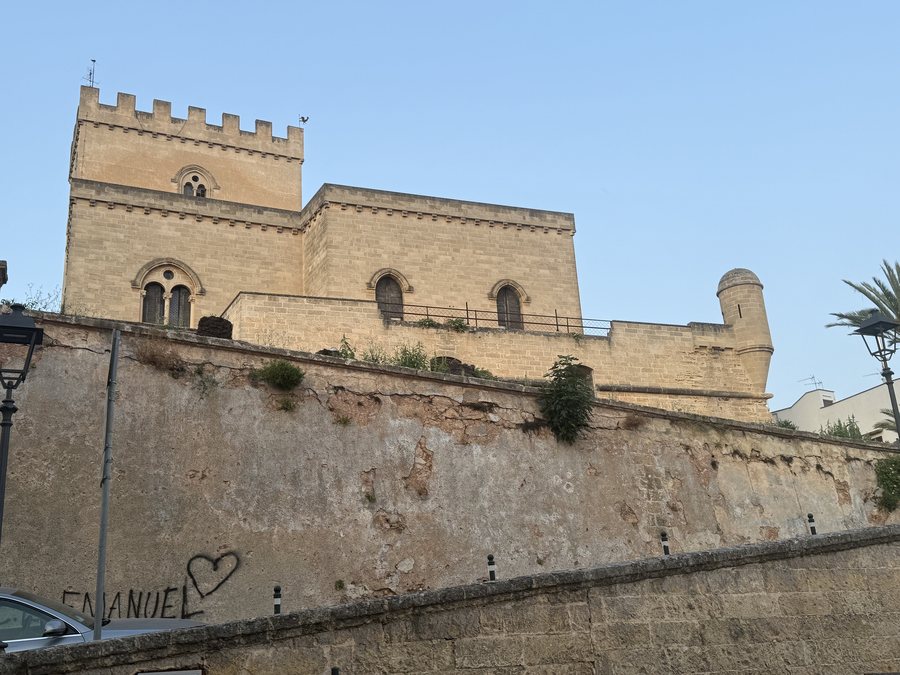
In the surrounding area of Parabita are the Palazzo Pirelli, a palace; the Castello Angevine-Aragonese, a castle; the Museo Civico E. Barba Gallipoli, a museum; and Castel Sant'Angelo, a castle. Zeus Beach, Samsara Beach, Spiaggia Baia Verde and Blue Bay Beach are also located nearby. The town and beach names expand Parabita’s cultural profile with further destinations without attributing any additional characteristics to them.
Check prices, availability and amenities for your travel dates directly on Booking.com.
View Accommodation and OffersAdvertisement · Affiliate link to Booking.comMore Destinations
More destinations for your travel planning: Tricase Porto, Torre Saracena, Castrignano De' Greci, Ugento, Marina Di Andrano, Galatina, Casarano, Lucugnano.
To the overarching travel overview: Lecce.

