
Torre Chianca between Beach, Nature and History
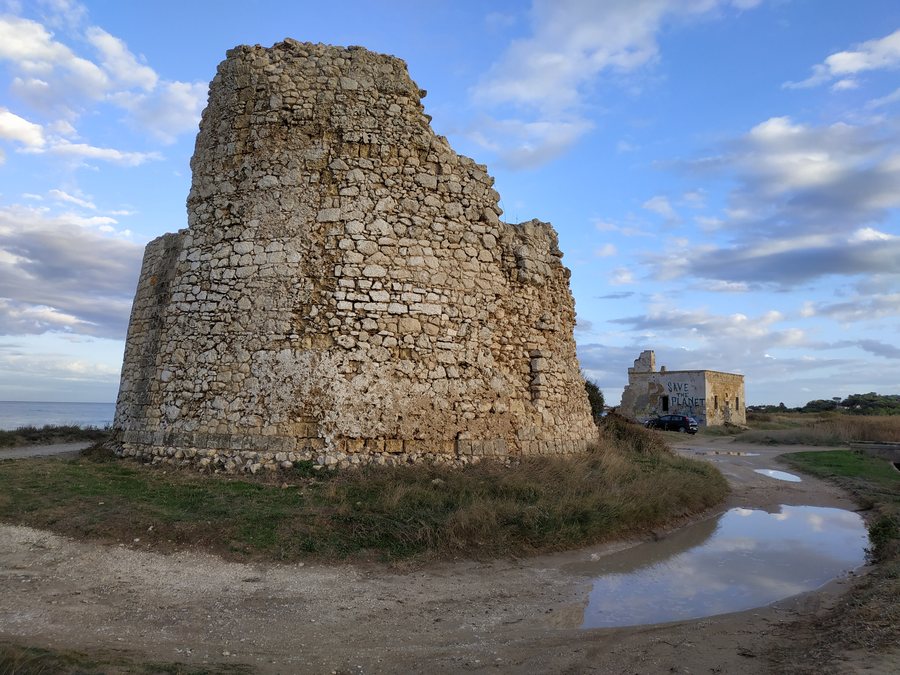
Torre Chianca can be explored through several distinctive landscape features and historical traces. The beach, dunes, Idume River and wetlands shape the area just as much as a partially ruined watchtower and an underground olive mill. If you would like to combine experiences in nature with cultural and historical impressions during your trip to Italy, you will find various starting points here for planning your visit.
Beach, Dunes and the Idume River
Torre Chianca beach borders the Parco di Rauccio. Near Torre Chianca, the Idume River also makes its way through the dunes and forms a watercourse that flows into the Adriatic. At the mouth of the Idume, the water is particularly cold because of the freshwater springs present there. This combination of coast, dunes and river gives the area a distinctive landscape character that you can take into account when choosing the interests you want to pursue on your trip.
A specific aspect is also documented for water sports: the wind conditions in Torre Chianca are considered suitable for kitesurfing. This means the area appeals not only to travellers who want to enjoy a coastal landscape, but also to you if suitable wind conditions play a role in planning your holiday. However, the suitability of the wind conditions does not imply that any particular services or equipment are available.
Wetlands in the Immediate Hinterland
The Bosco e Paludi di Rauccio Regional Nature Park is located in the immediate hinterland of Torre Chianca. Its wetlands, covering around 90 hectares, are of international importance for nature and species conservation because they lie along the migration routes of waterbirds. The Bacino Idume wetland is of particular ecological interest in Torre Chianca. If you place greater importance on landscapes and the protection of habitats than on a packed city itinerary, these natural areas are among the key aspects of your stay.
Watchtower and Underground Olive Mill
The name of the village of Torre Chianca comes from the watchtower of the same name, built in the 16th century. The tower was erected by the Spanish to protect Salento from attacks by Saracen pirates and is now partially ruined. The history of the area can therefore still be traced through a specific structure, without requiring you to visit a large historical complex.
Torre Chianca is also home to the underground olive mill Frantoio di Casino San Giuseppe. Together with the watchtower, it points to different aspects of the area: Salento’s history of defence and the traditional processing of olives. You can specifically include both names when making your personal selection of cultural experiences in Torre Chianca.
Mobility and Choosing Your Accommodation
From 1 July to 31 August 2026, a seasonal bus service was scheduled to connect Lecce, Surbo, Torre Chianca and Torre Rinalda daily. This information is clearly limited to a specific period for your mobility planning. No daily connection can be inferred from it outside this period.
When choosing accommodation in Torre Chianca, you can therefore first determine your personal focus: the beach and water, the wetlands in the hinterland or the historical traces in the area. A hotel or other accommodation should suit the travel experience you are actually looking for. The different facets of Torre Chianca provide a clear basis for this, without requiring you to limit your stay to just one theme.
Other Places in Italy
Sannicola, Giuggianello, Capilungo, Posto Rosso, Torre Suda, San Dana, Otranto, Seclì
To the higher-level travel overview: Lecce.
Check prices, availability and amenities for your travel dates directly on Booking.com.
View Accommodation and OffersAdvertisement · Affiliate link to Booking.com
