
Discover Pulsano: Coast, History and Local Cuisine
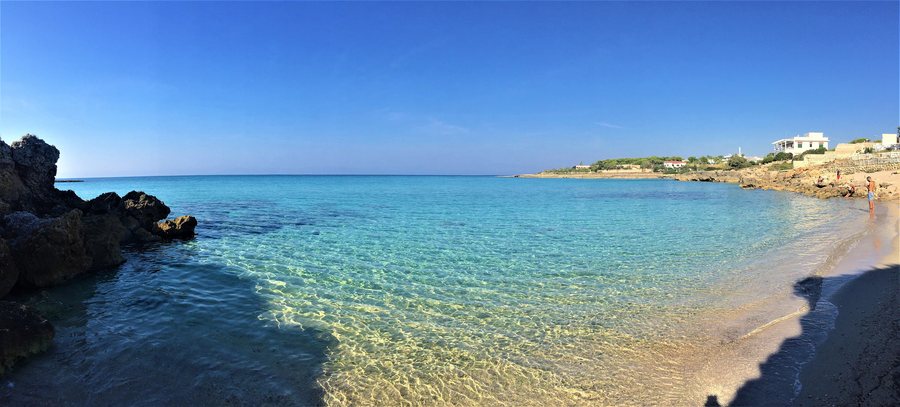
Pulsano is defined by a coastal landscape, historic buildings, summer traditions and local foods. This makes it a destination where the sea, culture and cuisine can be explored as distinct highlights. Those who choose a stay not only for a particular type of landscape, but also for history and culinary character, will find several clearly identifiable themes here.
Coast Between Bays and Cliffs
The coast of Pulsano stretches for approximately 7 kilometers and is characterized by a regular succession of bays and cliffs. The beaches of Lido Bruno, Spiaggia San Vito and Spiaggia Librari are located in the surrounding area of Pulsano. Spiaggia a Taranto is also part of the area around Pulsano. The coastal landscape is therefore not limited to a single impression, but combines bays and cliffs along a longer stretch. If you would like to organize your days around the coastal landscape and historic sites, the sea can be treated as a distinct focus of your travel planning.
Archaeology, Architectural History and Religious Sites
The Museo Archeologico di Pulsano opened in 2019 and is located on the first floor of the monumental complex of the Convento dei Padri Riformati. The BiMaP – Biblioteca P. Mandrillo organizes guided tours and meetings for visitor groups by prior arrangement. For this type of cultural planning, making an appointment in advance is therefore an important part of the library’s offering.
The town’s buildings also create their own historical highlights. Castello De Falconibus was built from an existing square tower dating from the Norman period. The Chiesa del Purgatorio has an altar made of local tuff with an integrated bas-relief dating from 1671. In February 1948, the Chiesa Santa Maria La Nova was declared a diocesan Marian shrine by the Archbishop of Taranto, Ferdinando Bernardi. Together, these sites lead from medieval architectural history through craftsmanship to religious significance.
Summer Traditions and Nearby Sites
The historical reenactment “Polso Sano” takes place in Pulsano every summer and keeps medieval customs and traditions alive. At “Polso Sano,” you can see flag throwers, musicians and drummers at Castello De Falconibus. If you plan your stay around cultural events, summer is therefore the time when this historical reenactment forms part of the townscape.
The archaeological site Parco Archeologico di Saturo is located in the immediate surroundings of Pulsano. The historic site Promontorio di Torre Castelluccia is also located nearby. The archaeological site Parco Archeologico delle Mura Greche and the Fortino Militare di Lama fort are also situated in the area around Pulsano. In this way, archaeological and military-historical sites complement the themes you can find directly in Pulsano.
Local Foods and Traditional Preparations
Puccia alla Tajedda is a traditional food from Pulsano and is considered a symbol of local culture. Lu Pasulu ti la Signura is a rare, endangered white bean with a small carmine-red marking at the hilum. Lu scauniscu is made from durum wheat bread mixed with cooked-down grape must, softened with lukewarm water and complemented with coarsely chopped almonds. These three examples showcase local cuisine not only through its ingredients, but also through traditional names and distinctive preparation methods.
Check prices, availability and amenities for your travel dates directly on Booking.com.
View Accommodations and OffersAdvertisement · Affiliate link to Booking.comMore Destinations
Discover more destinations here: Mottola, Taranto, Palagiano, Laterza, Crispiano, San Marzano di San Giuseppe, San Giorgio Ionico and Grottaglie.
To the main travel overview: Taranto.

