
Barile: Via Crucis, Church Art and Tuff Stone
Accommodation in Barile
Barile combines historic churches, religious traditions, cobbled streets and rooms carved into tuff stone. For travelers who want to discover Italy through art, local history and culture, the town offers several different ways to explore it. Your stay can be shaped by quiet appreciation of art, religious traditions, the landscape and gastronomy.
Historic Center and Sacred Art
The historic center of Barile has cobbled streets and narrow lanes that are ideal for strolling. The Chiesa della Madonna di Costantinopoli preserves an impressive example of sacred art: a Byzantine wall fresco of the Madonna dating from the 14th century. The church was probably built in the mid-17th century. This means that a 14th-century fresco and a church building probably constructed in the mid-17th century come together there.
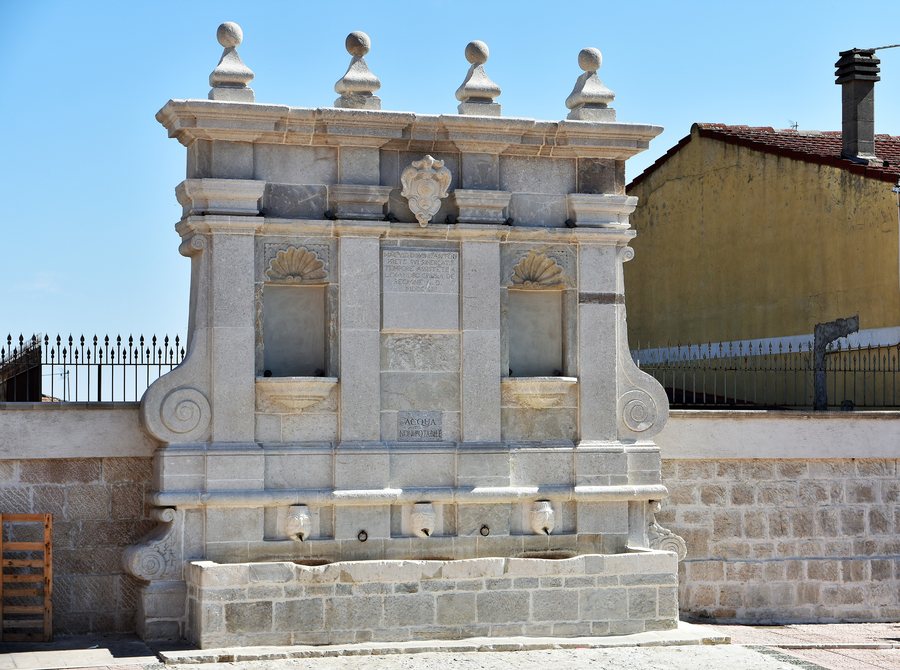
The Chiesa di San Nicola also brings together several historical periods. It contains a painting of the Annunciation dated 1464, as well as a 17th-century painting by the artist Girolamo Bresciano. The Fontana dello Steccato on Piazza Garibaldi was built in 1713. The Chiesa Madre, dedicated to S. Maria delle Grazie, was built between the 15th and 16th centuries.
Via Crucis and Good Friday
The historical reconstruction of Barile’s Via Crucis dates back to the mid-17th century. It is associated with a performance on Good Friday involving live actors. Barile’s Good Friday procession is considered the oldest in Basilicata. Travelers who wish to include religious traditions and historical reenactments in their trip can shape their stay around this theme.
Tuff Stone and Landscape
The Parco Urbano delle Cantine di Barile comprises around 130 caves and cellars carved into the tuff stone of the “Sheshë” hill. These spaces create a distinctive feature alongside the churches and procession: they also allow Barile to be viewed through its form shaped into the rock. This aspect is particularly interesting if architecture, landscape and local building traditions matter to you equally.
Approximately 11.5% of Barile’s municipal area, around 276 hectares, lies within the Parco del Vulture. Both figures should be understood as approximate and refer to the share of the municipal area. This natural setting adds a rural dimension to the cultural and historical themes.
Arbëreshë Culture and Gastronomy
Arbëreshë culture includes language, religion, traditions, customs, art and gastronomy. These elements continue to be preserved in Arbëreshë communities to this day. For planning your trip, this cultural framework broadens the focus beyond individual buildings: alongside frescoes, paintings and churches, language, religious practices, customs and food culture can also be important interests.
The gastronomic highlight is “Tumact Me Tulez”. This is an enogastronomic tour that takes place on August 12, 13 and 14. Together with the caves, churches and Via Crucis, it creates a diverse range of themes for travelers interested in culture and cuisine. When choosing a hotel in Barile, you can therefore first decide whether art and religious history, historic lanes, tuff stone, the landscape or gastronomy should be the focus of your stay.
Discover More Places
For comparing other destinations, you can also find Teana, Laurenzana, Senise, Cultura, Venosa, Castelmezzano, Tolve and Atella.
For the main travel overview: Potenza.

