
Maratea between Coast, Culture and Ancient Traces
Accommodation in Maratea
Maratea combines an impressive coastal landscape with religious and cultural heritage, as well as ancient sites in the surrounding area. If you would like to combine the sea, history and routes through different landscapes on your trip to Italy, the town offers several distinct points of connection. The following places and experiences will help you determine the right focus for your stay.
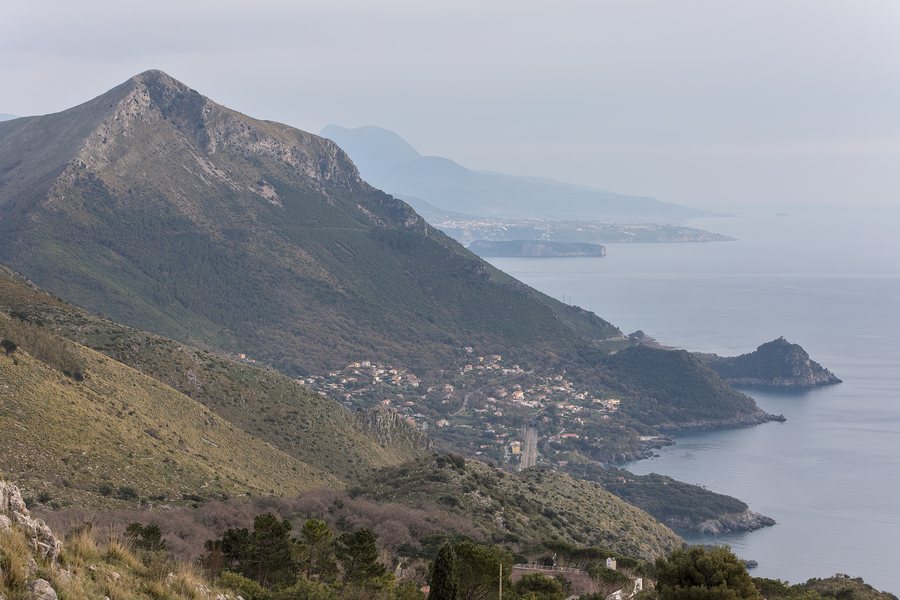 File:Maratea - View from Camino San Biagio - 03.jpg
Photo: Benjamin Smith via Wikimedia Commons, CC BY-SA 4.0
File:Maratea - View from Camino San Biagio - 03.jpg
Photo: Benjamin Smith via Wikimedia Commons, CC BY-SA 4.0
Discovering the Coast of Maratea
Maratea stretches along a rugged coastline more than 30 kilometres long. Steep cliffs alternate with hidden coves, sandy and pebble beaches, and numerous sea caves. Some of these caves are accessible only by sea. As a result, the coast is not a uniform stretch of beach, but a varied area with different landscape features.
The coastal area itself also has distinctive natural features: it is rich in species and has clear water and a rocky seabed suitable for underwater activities.
Ancient Traces and Cultural Sites
Maratea's cultural character includes the 18th-century Palazzo De Lieto, which houses the Pinacoteca Angelo Brando. This means that a historic building in Maratea is directly connected with an art collection.
Maratea's archaeological heritage includes finds on land and underwater. These include amphorae and anchors that testify to Maratea's ancient importance in Mediterranean trade. The town's history can therefore be explored not only through individual buildings, but also through evidence of its earlier connections with the sea and trade.
A religious dimension is provided by the Basilica Pontificia del Santuario di San Biagio. It preserves the relics of Maratea's patron saint. This specific connection makes the basilica interesting for visitors who, alongside landscapes and antiquity, would also like to explore the religious character of an Italian town.
Several ancient sites lie in the vicinity of Maratea: Capo La Timpa, Massa, Punta Matrella and Santo Ianni. Each of these sites adds another point of reference to the view of the town's past. Together with Palazzo De Lieto and the basilica, they form a cultural focus that can be easily incorporated into a trip.
Paths and Viewpoints
The Sentiero degli Eremi follows an old mule track that connects the coast opposite the island of Santo Ianni with the upper valley of Maratea.
Panorama dal Belvedere di Monte S. Biagio is a viewpoint in the vicinity of Maratea. The site complements the coastal and cultural experiences with a perspective on the landscape. If you would like to include different perspectives on Maratea in your trip, this viewpoint can be noted as a distinct cultural and landscape reference point.
At the Cristo di Maratea, access is clearly structured: access is via a car park in the village of Madonna degli Ulivi, followed by a shuttle ride. If you include this visit in your stay, you should take this sequence into account when planning your day. This keeps access visible as a separate planning step alongside the historic, scenic and cultural destinations.
Other Places
Acquafredda, Atella, Brienza, Gli Sgarroni, Albano di Lucania, Paterno, Viggiano and Rotonda offer further places to help you orient yourself when planning your trip.
For the overarching travel overview: Potenza.

