
Rapolla: Churches, Thermal Baths and Cave Houses
Accommodation in Rapolla
Rapolla combines significant church art, distinctive architectural forms, thermal offerings and an independent wine tradition to create a diverse destination. If you would like to get to know Italy not only through well-known major towns, but also through specific historical traces and local particularities, Rapolla offers several clearly distinct points of interest for planning your trip.
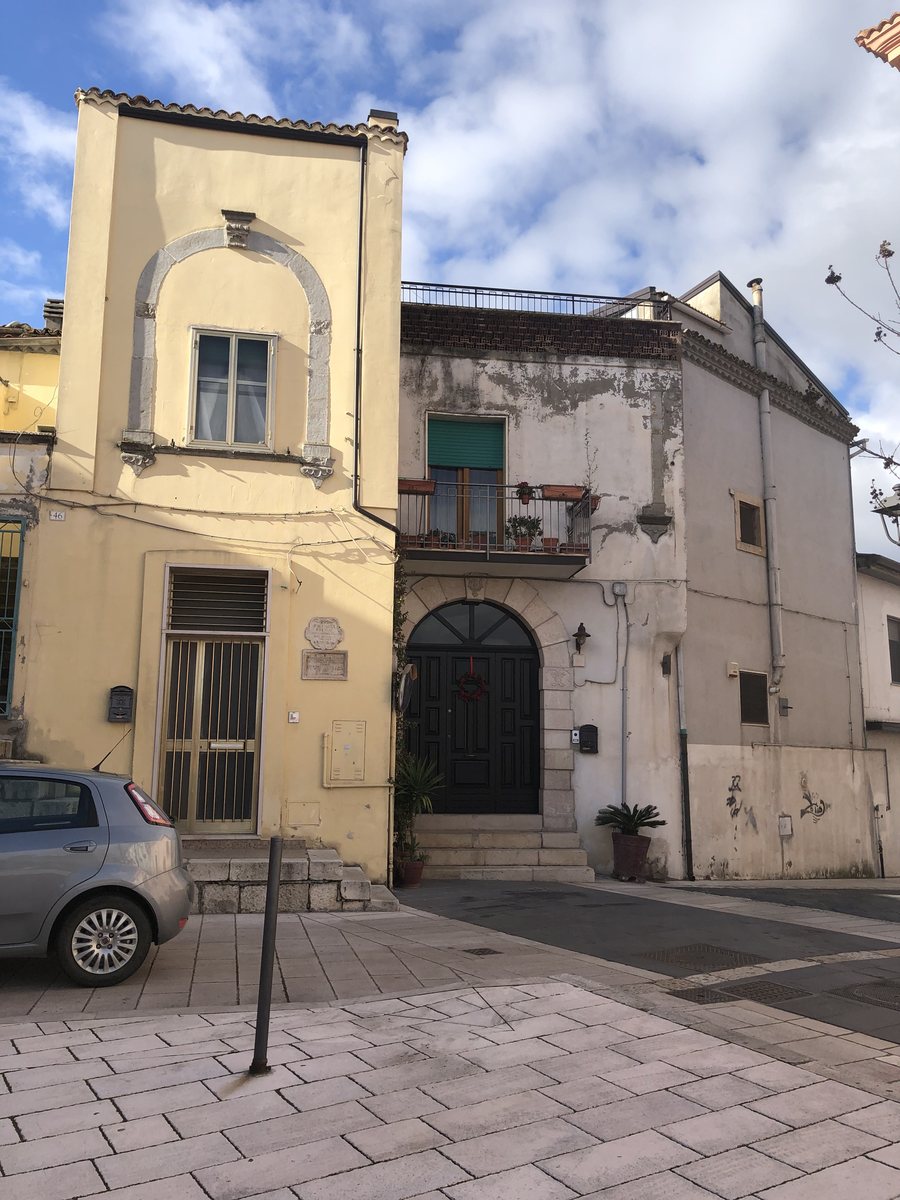 File:Piazza Castello, urban square in Rapolla, Italy.jpg
Photo: Prolocorapolla via Wikimedia Commons, CC BY-SA 4.0
File:Piazza Castello, urban square in Rapolla, Italy.jpg
Photo: Prolocorapolla via Wikimedia Commons, CC BY-SA 4.0
Churches and Art History
The Cattedrale di Rapolla still preserves significant artistic and architectural elements from the Middle Ages. Its interior also contains a wooden crucifix from the 13th century and a painting of the Immacolata from the second half of the 16th century. This allows you to encounter different periods of sacred art in one place.
The Chiesa di Santa Lucia was Rapolla's first cathedral. Particularly striking is the combination of a floor plan in the shape of a Greek cross with a three-aisled basilica. Its portal has a double round arch; the door jambs feature decorated capitals. The Chiesa del Crocifisso was built over an older medieval rock crypt and was later used by the Benedictines.
The Chiesa di San Biagio also adds to the town's cultural profile. It preserves paintings from the 14th century and a wooden Madonna from the 13th century. The Sarcofago di Rapolla expands this historical focus with a significant individual object: the sarcophagus was found in 1856 in Contrada Albero in Piano in the territory of Rapolla and is made of Asia Minor marble of the column type.
Thermal Baths and Regional Atmosphere
The Terme di Rapolla are fed by two springs that rise in Contrada Orto del Lago. Fangotherapy, the nebulization of thermal water including aerosol treatments, inhalations and nasal rinses, drinking cures and thermal baths are offered there. If you would like to combine culture with wellness, this area forms a distinct focus alongside the churches and historic buildings.
Cave Houses and Aglianico
In the Parco Urbano delle Cantine, the townscape includes, among other things, cave houses of the Arbëreshë community carved into tuff. Some of these cave houses are still used to store Aglianico del Vulture wine. The event in the Parco Urbano delle Cantine di Rapolla was also regarded as a traditional fixture of the Lucanian autumn. Here, architectural particularities, community history and wine come together directly as different facets of Rapolla.
Putting Rapolla in Context by Bicycle
Rapolla is a designated stop on the official “Vino e colline” cycling route. This connection may be interesting for you if you would like to combine cultural experiences, wine-related activities and cycling in your travel plans. The route adds another perspective on the landscape and regional travel experience to the sights associated with the town.
When choosing your hotel, you can therefore first decide which focus should shape your time in Rapolla: churches and art, the Terme di Rapolla, the cave houses with their connection to Aglianico or the official cycling route. The historical density and the different types of experiences make it possible to tailor your stay to your personal pace of travel.
More Destinations
For further travel planning, you can also visit San Severino Lucano, Trivigno, Atella, Sant'arcangelo, Vaglio Basilicata, Moliterno, Venosa and Brienza.
To the higher-level travel overview: Potenza.

