
Tito between Satrianum, religious art and nature
Accommodation in Tito
Tito is home to archaeological remains at Satrianum, sacred art in several churches, hiking trails near La Casermetta, religious celebrations and a local culinary tradition.
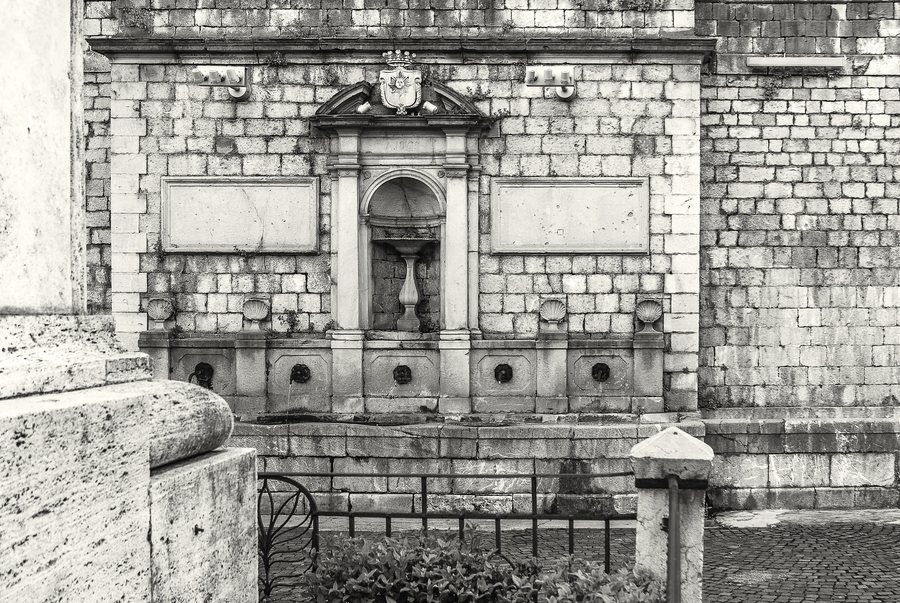
Archaeological remains and historic buildings
The site of the Torre di Satrianum preserves the remains of a square tower built by the Normans in the 12th century. The archaeological site of Satrianum contains settlement and usage layers dating from the Iron Age to the Middle Ages.
The Convento Sant'Antonio da Padova has a fresco on the northern wall of the adjoining church depicting the miracles performed by Sant'Antonio da Padova; the convent also organizes exhibitions and cultural events. The Cappella di San Vito preserves a statue of its patron saint dating from the late 18th century. The Chiesetta della Madonna delle Grazie contains a 17th-century crucifix and a statue of Saint Lucy from the late 17th century. The construction of the Chiesa di San Laviero (Matrice) is dated to 1465.
Palazzo Spera has a round-arched portal topped by a noble coat of arms, as well as balconies with wrought-iron railings. Palazzo Postiglione preserves a finely carved round-arched portal bearing the noble coat of arms of the Postiglione family. Casa dei Lancieri is associated with faces, foliage and guardian lions, as well as the year 1563.
Hiking trails and orientation at La Casermetta
The La Casermetta refuge is located within the Parco Nazionale dell'Appennino Lucano, Val d'Agri-Lagonegrese. La Casermetta offers numerous hiking and fitness trails, including paths for those interested in nature and botany. The trails are equipped with orientation signs as well as signs for botanical identification. This area is complemented by tables, benches, numerous barbecue areas and covered brick-built pavilions.
Religious traditions and cultural activities
The Riti Mariani a Tito include the return of the Madonna del Carmine to the town in a procession on September 8. September 7 also features a pilgrimage and an overnight vigil on Monte Carmine, continuing into the night of September 8. During the Madonna del Carmine celebration, which is deeply rooted in Tito, the statue is carried on the first Sunday in May from the town's Chiesa Madre to the Chiesa della Madonna del Monte.
The Centro per la creatività Cecilia in Tito hosts musical, artistic, theatrical, technological and cultural activities in general. These include an exhibition gallery, training rooms, halls equipped for conferences and seminars, and an auditorium for performances and congresses. On February 18, 2004, the Fondo Carlo Alianello was notified by the Soprintendenza archivistica della Basilicata as being of considerable historical interest. The Biblioteca comunale Lorenzo Ostuni preserves unpublished writings and personal belongings in this Fondo.
Local language and cuisine
Tito is associated with a Gallo-Italic dialect tradition, which the linguist Gerhard Rohlfs classified as Gallo-Italic. Cavatelli are considered a typical dish in Tito and are a type of homemade pasta.
More destinations
For further travel planning, you may also consider San Giorgio, Missanello, Picerno, Paterno, Castelmezzano, San Chirico Raparo, Gli Sgarroni and Armento.
For the overview of the wider travel area: Potenza.

.jpg)