
Maida: Churches, History and Local Tradition
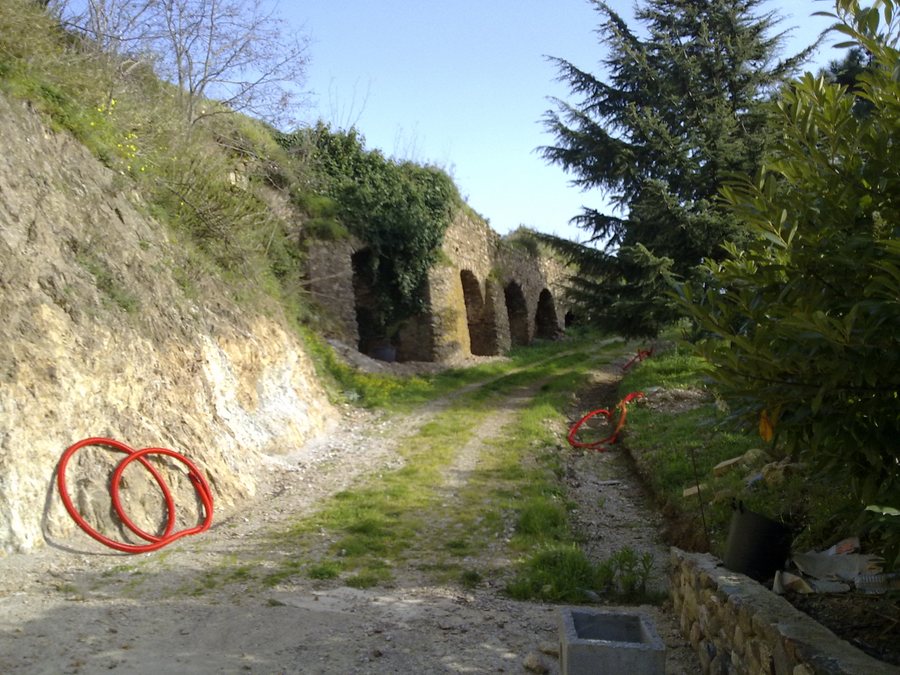 File:Acquedotto Maida.jpg
Photo: Original uploaded by Xja (Transfered by T137 ) via Wikimedia Commons, Public domain
File:Acquedotto Maida.jpg
Photo: Original uploaded by Xja (Transfered by T137 ) via Wikimedia Commons, Public domain
Maida offers several specific ways to explore history, religious art and living tradition. Between the former city gate Arco di Sant'Antonio, significant churches and an annual culinary event, a multifaceted picture of the town emerges. If you are planning a culture-oriented trip to Italy, you can bring together historic names, sacred architecture, memorial sites and a local specialty here.
A City Gate with a Changing History
The Arco di Sant'Antonio was the southern gate of the city of Maida. In earlier times, the arch was known as Porta del Castello. Both names are part of its history and make the Arco a specific starting point for exploring Maida's historical development. The site is therefore particularly suitable for visitors who, while touring, want to consider not only individual buildings but also their former function and traditional names.
Churches Between Tradition and Art
Santa Maria Cattolica is traditionally considered to have been founded by Basilian monks in the 10th century. The church also contains two frescoes by the painter Andrea Cefaly: Jesus with the Children and Jesus among the Doctors of the Law. Religious history and artistic features come together directly here, giving a visit to the church a range of different points of interest.
San Nicola de Latinis is considered the second-oldest church in Maida. According to the more certain dating, it already existed in the 12th century during the Norman period. For your travel planning, this church adds the site's older historical layer and provides another specific point of reference if you are interested in church architecture and the history of Maida.
Sant'Andrea Apostolo in Vena di Maida
Vena di Maida also broadens the cultural picture. The parish church of Sant'Andrea Apostolo was built around the 16th century in connection with the settlement of Albanian refugees; its history is likewise linked to this settlement. Its architectural symbolism is associated with the Eastern Byzantine rite. Thus, in Vena di Maida, historical migration, religious influence and architecture come together in a single church building, without requiring you to consider these themes separately.
Memorial Site and Culinary Event
A monument commemorating the Battle of Maida of 1806 stands in a square in Maida. This memorial site adds a military-historical perspective to the town's sacred and architectural history. Those who wish to explore Maida through individual themes will therefore find, alongside the churches and the Arco di Sant'Antonio, a connection to the history of the year 1806.
Another side of the town is revealed by the traditional Cicerata. It takes place every year on April 2 at the Convento di San Francesco. Visitors can sample Pasta e ceci there, prepared according to an old recipe. This event combines an established local tradition with a regionally influenced dish and is therefore a distinct point of reference for your travel planning.
Getting There and Choosing Your Accommodation
Maida can be reached by plane, train and motorway. The railway stations and the motorway exit of Lamezia Terme are 15 km from Maida. This information helps you put the journey into perspective without weighing individual modes of transport against one another. When choosing a hotel in Maida, you can then consider whether your trip should focus more on churches and history, on Cicerata or on a combination of these themes.
Further places for travel planning: Gasperina, Guardavalle, Gimigliano, Borgia, Copanello, Sellia Marina, Cortale, Pianopoli.
For the overarching travel overview: Catanzaro.
Check prices, availability and amenities for your travel dates directly on Booking.com.
View Accommodations and OffersAdvertisement · Affiliate link to Booking.com
