
Casamicciola Terme between Thermal Waters, Churches and Volcanic Landscapes
Accommodation in Casamicciola Terme
Casamicciola Terme combines thermal waters, volcanic landscapes and a rich sacred history. This gives you different ways to approach the destination when planning your trip: you can explore the long tradition of the thermal springs, place traces of the Iron Age in context, discover churches with art-historical significance and focus on the natural area around the Bosco della Maddalena. Casamicciola Terme is therefore suited to a trip in which cultural and landscape impressions stand side by side.
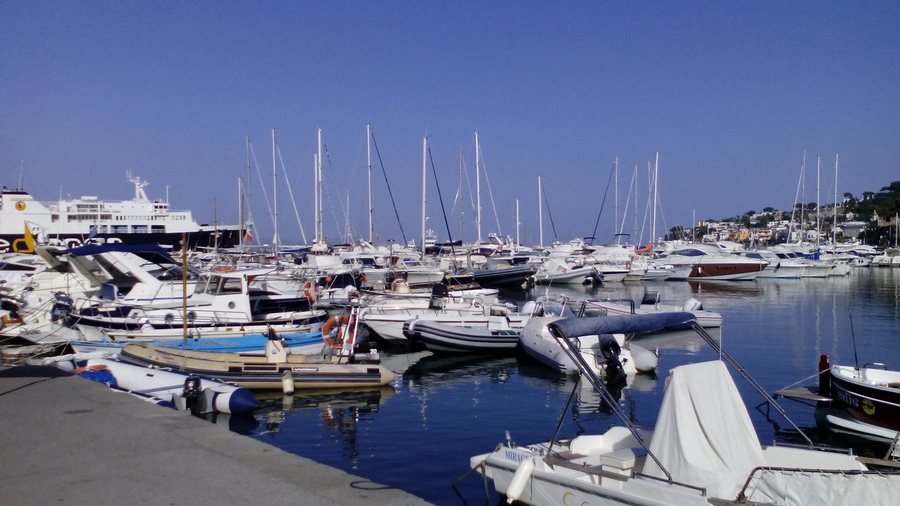 File:80074 Casamicciola Terme NA, Italy - panoramio (1).jpg
Photo: Antonio Dazzetti via Wikimedia Commons, CC BY 3.0
File:80074 Casamicciola Terme NA, Italy - panoramio (1).jpg
Photo: Antonio Dazzetti via Wikimedia Commons, CC BY 3.0
Thermal Waters and Traces of the Iron Age
Traces of an Iron Age village were found in the Castiglione area of Casamicciola. During the Iron Age, the inhabitants of Castiglione fired clay vessels and other ceramic ware using the heat emerging from inside the rocks. This connection between the geological subsoil and human use therefore reaches far back into the history of the area.
The history of thermal bathing is also formative. The thermal waters of Gurgitello emerge from the ground near Piazza Bagni and have supplied Casamicciola’s most important thermal facilities since the 17th century. The Pio Monte della Misericordia was established in Casamicciola at the beginning of the 17th century as an important charitable thermal facility, so that people who could not afford treatment could also use the local thermal waters. The Castiglione spring is also known as Bagnitiello and emerges in Casamicciola practically at the seashore.
Volcanic Terrain and a Hiking Theme
The Bosco della Maddalena covers 450,000 m² of volcanic terrain of volcanological, geomorphological and botanical interest. For visitors who experience nature not merely as a backdrop but as an independent travel theme, this landscape provides a clear point of reference. The Sentiero della Maddalena hiking trail begins in Casamicciola Terme at Parco Termale Castiglione. Its documented starting point connects the hiking theme with a specific location in the town.
Churches, Foundations and Works of Art
The Chiesa del Buon Consiglio is also known as Chiesa dei Marinai and was founded by a group of shipowners. Construction began in 1821, after the site at Piazza Marina had been acquired. The interior of the church consists of a single nave. The Chiesa di Santa Maria della Pietà also reveals several historical layers: it was built in 1616 by citizens of Casamicciola and owned a painting by Andrea Vaccaro from 1600 entitled “La deposizione del Signore dalla Croce”.
The Chiesa dell'Immacolata contains a wooden sculpture from the Neapolitan school of the 18th century. Together with the other two churches, it forms a cultural focal point that extends from local foundations and architecture to religious art. The chronological references range from the Iron Age and the early 17th century to the beginning of construction on the Chiesa del Buon Consiglio in 1821.
Understanding Casamicciola Terme as a Base for Your Trip
When choosing a hotel in Casamicciola Terme, you can first decide which of these themes should shape your trip: thermal history, sacred buildings, works of art, volcanic terrain or the starting point of the Sentiero della Maddalena. These focal points help you connect your preferred accommodation location with your personal choice of destination without reducing Casamicciola to just one type of trip. The town can be understood both through its geological character and through its churches and historical developments.
For further orientation, you can also include Forio, Lacco Ameno, Ischia, Fontana and Barano D'ischia in your plans.
To the main travel overview: Ischia.

.jpg)