
Corniolo between Nature and History
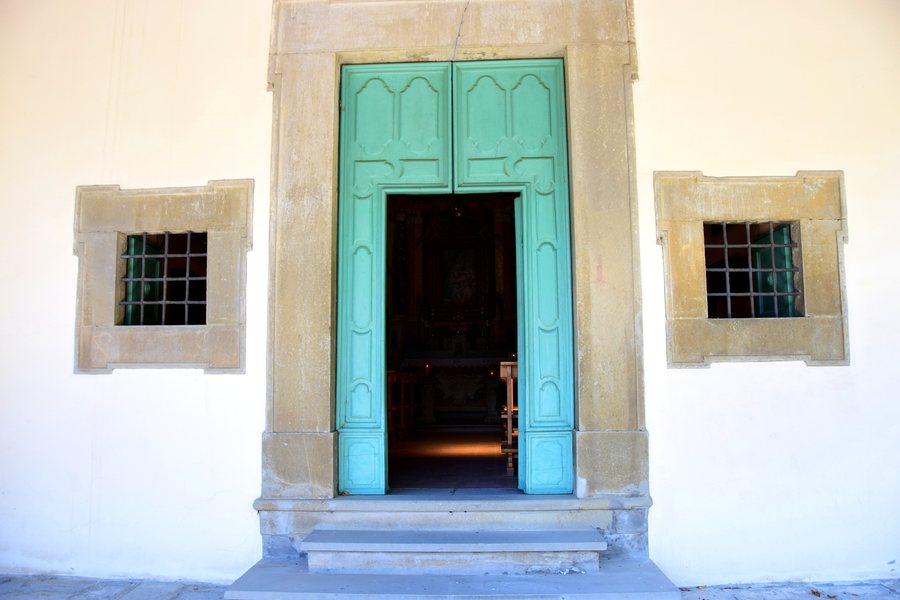 File:Oratorio settecentesco della Madonna delle Grazie, Corniolo, Santa Sofia, Forlì-Cesena ID 400431221.jpg
Photo: Marcospinelli1959 via Source, CC BY-SA 4.0
File:Oratorio settecentesco della Madonna delle Grazie, Corniolo, Santa Sofia, Forlì-Cesena ID 400431221.jpg
Photo: Marcospinelli1959 via Source, CC BY-SA 4.0
Corniolo between Nature and History
The Valbonella Botanical Garden places protected nature at the heart of the experience; the church, Oratorio and castle ruins lead through different periods of local and regional history. This creates a destination whose interesting aspects can be explored through nature observation, local trails and cultural monuments.
Valbonella Botanical Garden
The Valbonella Botanical Garden in Località Corniolo is a nature reserve at an altitude of 700 m and includes around 300 native species. There are three themed trails through the forest, wetlands and fields. The combination of the protected area, its elevation and these different landscapes makes the garden a clearly defined nature experience for travellers who consider plants and landscapes an essential part of their stay.
The Botanical Garden is home to rare, endangered and legally protected species. Those interested in botanical features will therefore find an independent focus on natural history here. For nature enthusiasts, the garden can consequently form a separate part of their daily itinerary.
Local History and Sacred Art
Corniolo developed around an older hamlet with stone houses. In San Pietro, you will find a place of worship documented since the 12th century. The church contains works from the workshops of Giovanni della Robbia and Giulio Ponteghini dating from the 16th century. San Pietro combines its historical connection to the 12th century with works from the 16th century.
The Oratorio della Madonna delle Grazie in Corniolo also contains frescoes from the 15th and 16th centuries. In addition, there are the ruins of Castello del Corniolino, documented since 1220. Frescoes, sacred architecture and a castle complex thus represent different historical layers that you can take into account when planning your excursions. Those interested in culture can consider San Pietro, the Oratorio and the castle ruins separately.
Trails through Corniolo and How to Get There
“A SPASSO NEI BORGHI” is an urban trekking trail through Corniolo. At the main sights in Corniolo, the trail uses information panels and QR codes. The trail is therefore particularly interesting for visitors who want to get to know Corniolo through its local sights rather than through just one individual site.
Corniolo can be reached via the SP4, which leads to Passo della Calla. For travelling to the area and finding your way around locally, the direction of Passo della Calla is the specific point of reference. In the wider regional surroundings of Corniolo there is also Castello di Porciano, a castle. The historical points of reference thus extend from the buildings in the village to an additional castle in the wider regional area.
Further places for planning your trip: Portico E San Benedetto, Forlì, Gambettola, Cesenatico, Borello, Roncofreddo, Tredozio, Santa Maria Nuova
To the higher-level travel overview: Forlì-Cesena.
Check prices, availability and amenities for your travel dates directly on Booking.com.
View accommodations and offersAdvertisement · Affiliate link to Booking.com
