
Forlì: Art, History and Italian Urban Culture
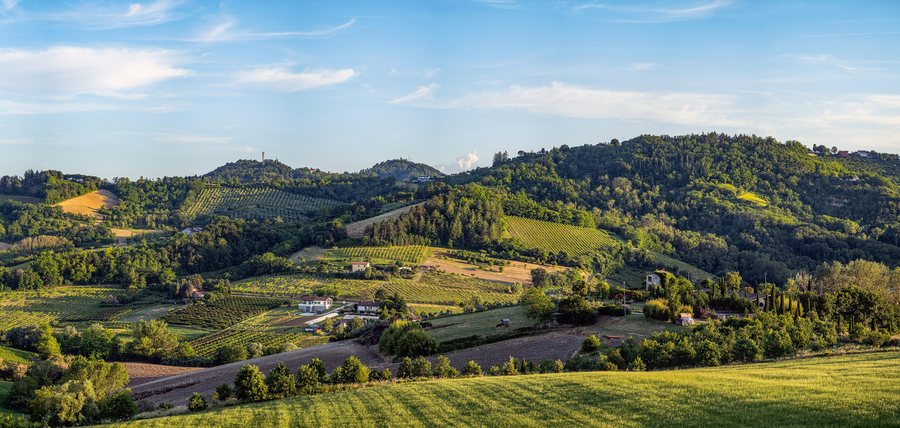 File:Monte Sterlino - Collinello - Forlì-Cesena - GT 2025.jpg
Photo: Terragio67 via Wikimedia Commons, CC BY-SA 4.0
File:Monte Sterlino - Collinello - Forlì-Cesena - GT 2025.jpg
Photo: Terragio67 via Wikimedia Commons, CC BY-SA 4.0
If you are looking for a city in Italy offering insights into art history, theatre culture and a variety of ways to explore the urban space, Forlì provides many different points of interest.
Architecture and Art in Forlì
One prominent landmark is the Abbazia di San Mercuriale. Its Lombard bell tower is over 70 metres high. The abbey itself is a Romanesque-Lombard architectural monument dating from 1178 to 1181. Inside, you will also find the tomb of Barbara Manfredi, dated 1466, a work by Francesco di Simone Ferrucci from Fiesole. Several centuries of architectural and art history become visible here in one specific place.
The Museo Civico di San Domenico is accessible to people with disabilities and complements the city’s cultural focus. Since 2013, the Palazzo Romagnoli has housed Forlì’s municipal collections from the 20th century. The permanent exhibition of the Collezione Verzocchi occupies the entire first floor there. Those interested in Italian art and the development of municipal collections will find various ways to engage with Forlì’s cultural life.
Rocca di Ravaldino and the History of the City
The Rocca di Ravaldino, also known as the Rocca di Caterina Sforza, is another important point of reference for understanding Forlì’s history. Throughout the Middle Ages, it was one of the places designated for the defence of Forlì. In 1471, Pino III Ordelaffi commissioned the architect Giorgio Marchesi Fiorentino to build the fortifications of the Rocca di Ravaldino that are still preserved today. The history of the site can therefore be linked to specific names, dates and architectural traces.
Theatre and Routes through the City
The Teatro Diego Fabbri is located near Piazza Saffi and is served by bus routes 2, 3, 4 and 6. It has 710 seats: 550 in the stalls and 160 in the gallery. There is also a foyer with 100 seats and two rehearsal rooms. The theatre opened in September 2000 with a performance by the Orchestra Filarmonica della Scala conducted by Riccardo Muti.
The Bicipolitana Forlì offers a different perspective. It comprises four themed routes that allow you to discover Forlì from landscape, architectural, cultural and nature-related perspectives. These four viewpoints help you see the city not only through individual buildings, but also through its different themes and routes.
A Large Green Space along the Montone
The Parco Urbano Franco Agosto covers 26 hectares and is bordered by the Montone River. This makes a spacious, clearly defined green area part of Forlì’s character. For travellers who would like to include a park alongside museum visits, architecture and urban exploration, it provides a distinct focal point.
When choosing your hotel, you can therefore consider whether the Abbazia di San Mercuriale and the Rocca di Ravaldino, the Teatro Diego Fabbri, the four routes of the Bicipolitana Forlì or the Parco Urbano Franco Agosto should be your main focus.
Check prices, availability and amenities for your travel dates directly on Booking.com.
View Accommodation and OffersAdvertisement · Affiliate link to Booking.comDiscover More Destinations
Mercato Saraceno, Cento, Premilcuore, Civitella Di Romagna, Il Monte, San Piero In Bagno, Santa Maria Nuova and Campigna
To the overarching travel overview: Forlì-Cesena.

