
Polesine Parmense: Culatello, the Po Forest and Cultural History
Accommodation in Polesine Parmense
Polesine Parmense between Culatello and the Po landscape
Polesine Parmense combines culinary tradition, historic religious buildings and a river landscape that can be explored on foot or by bicycle. Culatello is at the heart of the area, while the Po Forest links a nature experience with a museum theme. This makes it a destination where regional cuisine, culture and landscape stand closely alongside one another when planning your trip.
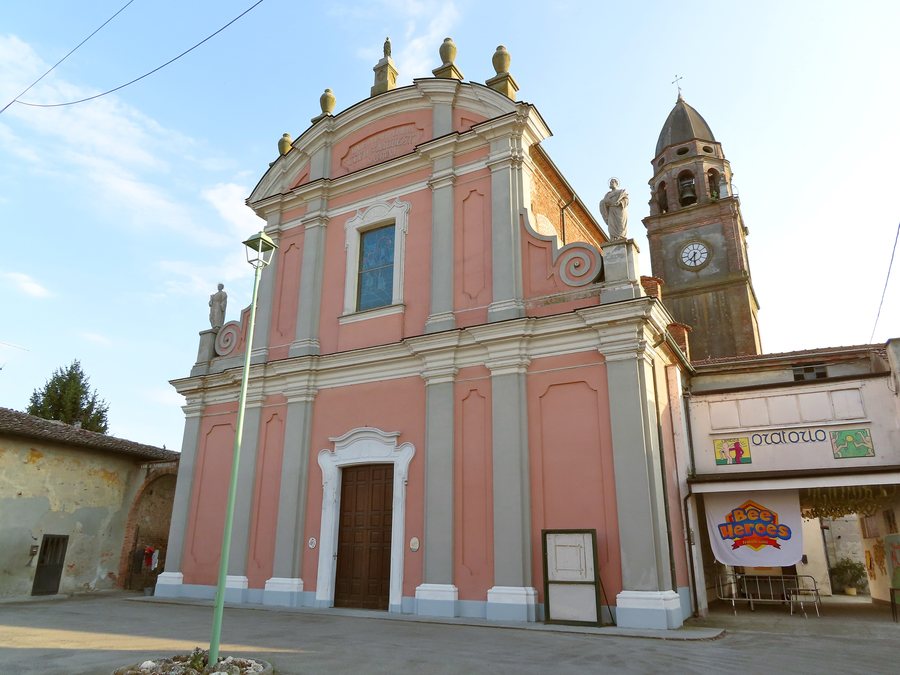 File:Chiesa dei Santi Vito e Modesto (Polesine Parmense, Polesine Zibello) - facciata e lato nord-ovest 2022-06-19.jpg
Photo: Parma1983 via Source, CC BY-SA 4.0
File:Chiesa dei Santi Vito e Modesto (Polesine Parmense, Polesine Zibello) - facciata e lato nord-ovest 2022-06-19.jpg
Photo: Parma1983 via Source, CC BY-SA 4.0
Culatello as a culinary introduction
The Museo del Culatello presents the Bassa parmense, pigs, Saint Anthony as the patron saint of animals, the Spigaroli family, the norcino, the ancient cruel festival, Culatello and other regional salumi in eight exhibition sections. The exhibition thus takes visitors from regional history and animal husbandry to the products associated with the area’s culinary identity.
A visit to the Museo del Culatello e del Masalén takes about an hour on average. It ends at the Hosteria del Maiale e del Culatello with a tasting of salumi. Culatello is a product with Protected Designation of Origin (DOP) status, processed in the production area of the Bassa parmense, including Polesine. If you choose a hotel in Polesine Parmense, this theme can form the focus of your trip without separating the culinary side from the cultural and landscape experiences.
Churches and historic spaces
The Chiesa dei Santi Vito e Modesto in Polesine Parmense contains 18th-century paintings and a late-Renaissance pulpit. Another notable religious building is the Chiesa della Beata Vergine di Loreto, also known as the Madonnina del Po. The Neo-Gothic church was built in 1846. Together, the two churches give a visit to the town different historical points of focus: here, the paintings and pulpit take center stage; there, Neo-Gothic architecture and the name Madonnina del Po.
The Antica Corte Pallavicina also combines architectural history with representative interiors. A visit includes a kitchen with a coffered ceiling as well as elegant rooms decorated with frescoes. In the mid-13th century, Uberto Pallavicino ordered the construction of a fortification near the Antica Corte Pallavicina for the military control of the port on the Po.
Cycling through the Po Forest
In Polesine Parmense, you can cycle along the riverbank and cross the Po Forest on a 2 km route. The Po Forest is an outdoor section of the museum. Its path runs through a riparian forest to an open-air enclosure for black pigs, linking the landscape, animal husbandry and the area’s culinary theme.
The route through the Po Forest passes through varied vegetation and leads to aquatic wildlife including birds such as kingfishers and black-winged stilts. This also makes the route interesting for travelers who want to include not only museums and churches in their stay, but also nature observation and gentle outdoor activity.
Planning your stay
From Parma, the directions to the museum follow Strada Provinciale No. 10 to Polesine. When choosing your accommodation, you can therefore first decide how much of your stay you want to devote to museum visits, churches, culinary tastings or the route through the Po Forest. In this planning, Polesine Parmense serves as a specific base for a trip that considers regional specialties, cultural history and the river landscape together.
More destinations for planning your trip
Ravarano, Borghetto, Monchio Delle Corti, Langhirano, Torrile, Compiano, Corniglio and Bagni di Tabiano
For the overarching travel overview: Parma.

_-_facciata_e_lato_nord-ovest_2022-06-19.jpg)