
Discover Correggio: Stage, Art and History
Accommodation in Correggio
Correggio between Stage, Art and History
Correggio combines theatre, art, architecture, Jewish heritage and a local speciality to create a diverse cultural destination.
For information about Correggio, the Correggio Welcome Room provides up-to-date information and brochures on sights and current events in Correggio. The facility is wheelchair accessible, as it has no architectural barriers. SETA buses connect Correggio with the railway stations. This provides concrete guidance for planning your trip with regard to information, accessibility and public transport.
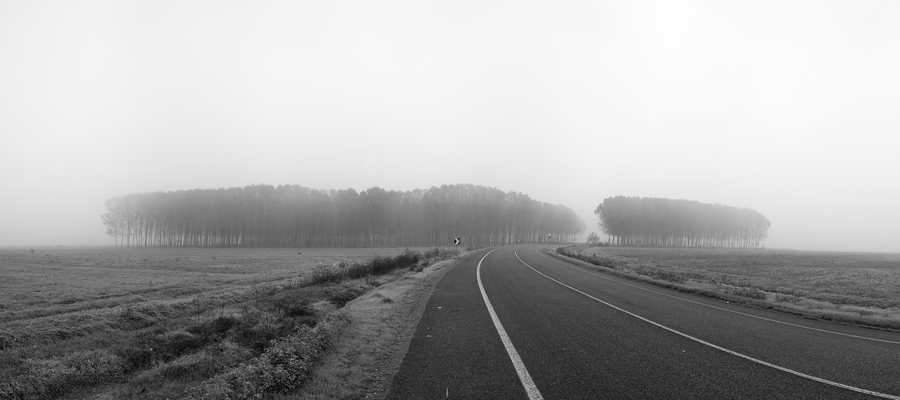 File:Autumn - Correggio, Reggio Emilia, Italy - November 7, 2013 02.jpg
Photo: Giorgio Galeotti via Wikimedia Commons, CC BY 4.0
File:Autumn - Correggio, Reggio Emilia, Italy - November 7, 2013 02.jpg
Photo: Giorgio Galeotti via Wikimedia Commons, CC BY 4.0
Getting Oriented and Travelling There
Teatro Asioli and Courtly History
The Teatro Comunale “Bonifazio Asioli” stands on the site where Niccolò Postumo da Correggio had his palace built at the end of the 15th century. Teatro Asioli reopened on 3 November 2002 after a complete restoration. The programme of Teatro B. Asioli includes theatre seasons featuring drama, operetta, dance, concerts and theatre for children. In this way, the history of the site is combined with a broad spectrum of stage forms.
Buildings with Clear Historical Traces
The Palazzo dei Principi was completed in 1507 and subsequently served as the court residence of the da Correggio family. Construction of the Basilica dei Santi Quirino e Michele began in 1516; it was consecrated in 1587. The Basilica dei Santi Quirino e Michele has three naves and twelve side chapels. A portico with four pillars and round arches made of exposed brick is positioned in front of the façade of the Chiesa di Santa Maria della Misericordia. The Chiesa di Santa Chiara has a distinctive illusionistic vault with painted coffers that creates the impression of a dome. These buildings offer a direct way to consider their period of construction, historical function and architectural design as distinct themes.
Museums and the Correggio Art Home
The Museo “Il Correggio” contains a set of Flemish wall tapestries from the 16th century, consisting of nine large sections. The museum also has an archaeological collection with finds from the pre-Roman, Roman, medieval and Renaissance periods. The Gipsoteca della scultrice Carmela Adani houses an extensive collection of sculptures and plaster models by the sculptor Carmela Adani. The Casa del Correggio stands on the site of Antonio Allegri’s former home and now houses the Correggio Art Home, a documentation and study centre dedicated to the artist’s life and work.
Jewish Heritage and Fortification History
The Cimitero Ebraico is located at a site that has been used for Jewish burials in Correggio since 1459. The Cimitero Ebraico preserves just under 70 identifiable burials with gravestones dating from 1828 to 1958. The Rocchetta (“Rocca Nuova”) was the most important fortification protecting the castle of Correggio.
Scarpasot and the Fiera di San Quirino
Scarpasot is a savoury tart from Correggio that received the municipal DeCo designation of origin and quality in 2012. The Fiera di San Quirino is scheduled for the first weekend in June and includes art, exhibitions, performances, food and drink, sport, as well as a market featuring typical food products and handicrafts. This provides your planning with a culinary connection and an event encompassing several thematic areas.
More Destinations for Planning Your Trip
More destinations: San Martino In Rio, Praticello, Barco, Bosco, Castelnovo Di Sotto, Villarotta, Bibbiano, Campegine.
To the main travel overview: Reggio Emilia.

