
Fogliano – History, Nature and Trails near Reggio Emilia
Accommodation in Fogliano
Fogliano between history and landscape
Fogliano is a destination for travellers who want to combine historical traces with a landscape shaped by its surroundings. Its history goes back a long way: Fogliano was first mentioned in a document in 888. This early mention gives the place a clear historical connection, which can be traced further through the later buildings and the landscape areas around it.
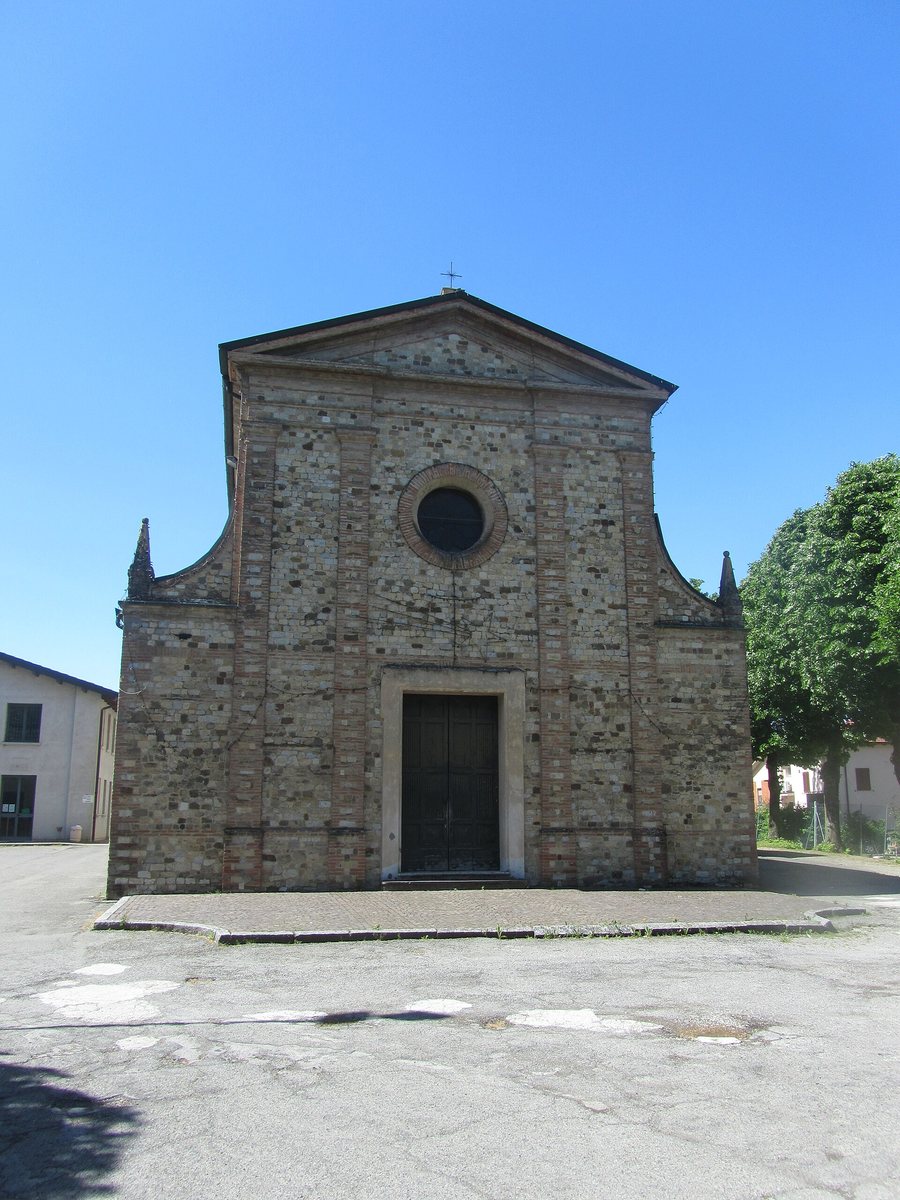 File:Reggio Emilia - frazione Fogliano - chiesa di San Colombano Abate - 01.jpg
Photo: Bucaramango via Wikimedia Commons, CC BY-SA 4.0
File:Reggio Emilia - frazione Fogliano - chiesa di San Colombano Abate - 01.jpg
Photo: Bucaramango via Wikimedia Commons, CC BY-SA 4.0
Historical buildings and connections
The Oratorio della Madonna della Ghiara stands next to the former Fogliano railway station on the site of the former Pieve di San Colombano. Fogliano’s present parish church was built from 1627 onwards and completed in 1663. In Fogliano, the former parish church, the Oratorio and the present parish church come together as different historical points of reference. At the site, you will therefore encounter both a former religious site and a church with a clearly dated construction history.
Circular trail between Canali and Fogliano
The Anello di Canali e Fogliano circular trail also brings together several geographical connections. It runs through an agricultural landscape between Canali, Fogliano and the municipality of Albinea. In Fogliano, the circular trail leads to Villa Veneri. The agricultural character of the route and its specific destination in the village thus combine landscape and a connection to the place. This is particularly interesting if you would like to consider a rural landscape and a specific local point of interest together.
Natura 2000 and the waterscape
Another focus is the Natura 2000 site IT4030021. It covers the course of the Rio Rodano from the former Fogliano station to S. Maurizio. The same site also includes the last and southernmost large fontanile in the upper plain of Reggio. In addition, IT4030021 comprises five habitats of Community interest. This combination of a river course, a distinctive landscape feature and several habitats makes the natural area interesting for visitors who want to consider waterways and habitats together.
Fogliano is also located near a landscape of interest between the Secchia Canal, the Rodano-Lodola waterway and the Rio Acque Chiare. These waterways give the surrounding area a coherent landscape profile. This may be of interest if you prefer to explore the landscape through connections between rivers, canals and other waterways rather than through individual buildings alone. Together with the Natura 2000 site, this creates a nature-oriented counterpoint to Fogliano’s historic sites.
Geographical orientation and travel connections
The former state road is important for geographical orientation: Fogliano lies along it, and it connects Reggio Emilia with Scandiano. Another connection is provided by bus route 9, which links the Fogliano/Due Maestà area and the centre of Reggio Emilia with Reggio Emilia AV Mediopadana railway station. Travel planning therefore brings together a historic road axis and a bus connection to the railway station. When planning your journey, you can distinguish between the connection towards Scandiano and the bus route via Reggio Emilia AV Mediopadana.
The Museo dei Burattini di Otello Sarzi is located in the vicinity of Fogliano. It complements the local history, religious buildings and landscape themes with a cultural point of reference in the surrounding area. For a stay combining cultural and nature interests, there are therefore further cultural points of connection in the surrounding area alongside the historical and landscape features in and around Fogliano.
More destinations
For your further travel planning, you can also find San Bartolomeo, Poviglio, San Giovanni, Rubiera, Lignano, Vezzano Sul Crostolo, Monteduro and Montecatini.
For the broader travel overview: Reggio Emilia.

