
Rimini between Antiquity, Art and the Riviera
Accommodation in Rimini
Rimini combines Roman traces, Renaissance art, historic squares and Riviera experiences. The Arco d'Augusto is the oldest surviving arch in northern Italy. The Ponte di Tiberio is made of Istrian stone and has five arches. Today, it is a pedestrian bridge connecting Rimini's old town with the distinctive Borgo San Giuliano. This makes the city's history visible in specific buildings while also offering a view of Rimini's diverse cityscape.
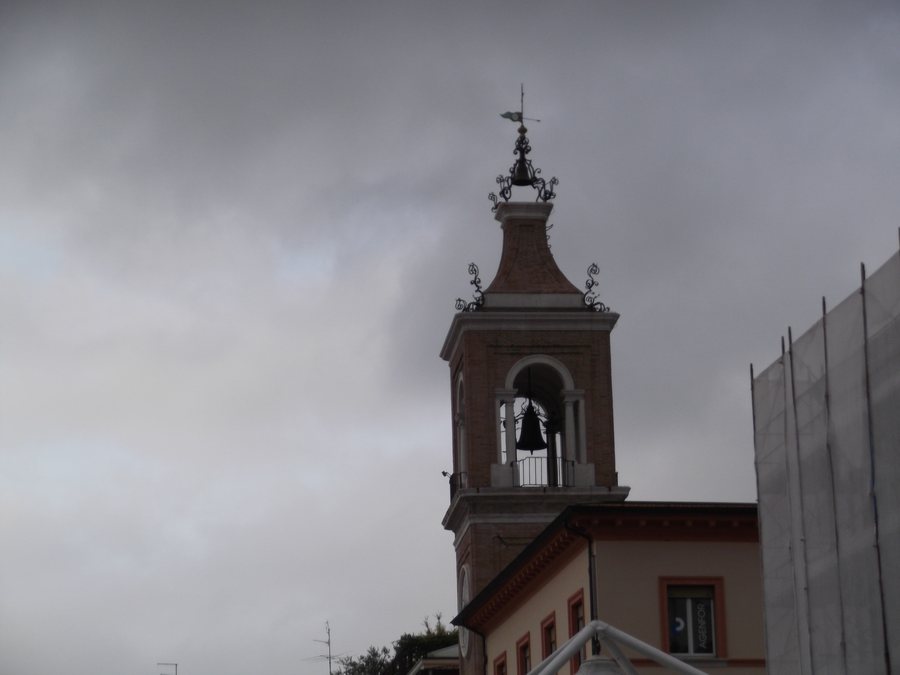 File:Rimini, Province of Rimini, Italy - panoramio (18).jpg
Photo: karel291 via Wikimedia Commons, CC BY 3.0
File:Rimini, Province of Rimini, Italy - panoramio (18).jpg
Photo: karel291 via Wikimedia Commons, CC BY 3.0
Antiquity and Renaissance in Rimini
Construction of the Ponte di Tiberio began in 14 AD under Augustus and was completed in 21 AD under Tiberius. In the Tempio Malatestiano, a fresco by Piero della Francesca depicts the prince kneeling before Saint Sigismund. Admission to the Tempio Malatestiano is free and is interrupted only during religious services. These take place on public holidays at 11:00 and 17:30, and on the days before public holidays at 17:30.
Castles, Theatres and Historic Spaces
Castel Sismondo also represents Rimini's military history: its defence system was established with the advice of Filippo Brunelleschi. Construction began in 1437 and lasted approximately 15 years; from 1446 onwards, the residence can be documented as inhabited. The Teatro Amintore Galli was designed by Luigi Poletti as a neoclassical theatre based on the model of the Italian theatre and opened in the summer of 1857 with Giuseppe Verdi's Aroldo.
Museums, Library and City Squares
Rimini offers several specific places for museum and library enthusiasts. The Museo della Città “Luigi Tonini” is housed in a historic 18th-century building originally constructed between 1746 and 1755 according to plans by Alfonso Torreggiani as a Jesuit college. Its restored historic rooms serve as exhibition halls. The Biblioteca civica Gambalunga preserves four historic rooms: three from the 17th century and one from the 18th century, with original furnishings and original bibliographic holdings. The Palazzo dell'Arengo is a preserved medieval monumental building with tracery windows and a spacious vestibule with pointed-arch arcades.
Painting, Film and Archaeological Finds
Piazza Cavour has traditionally hosted ceremonies, exhibitions and markets. The 55-metre-high bell tower of the Chiesa di Sant’Agostino is the tallest in Rimini. The church played a central role in the development of Rimini painting in the 14th century and is considered one of the early manifestations of the Giotto school in the Adriatic region. The Fellini Museum is spread across several locations and includes Castel Sismondo, Palazzo del Fulgor and Piazza Malatesta. It offers an immersive tour with multimedia installations that evoke fragments of Fellini film sets and cinematographic techniques. The Domus del Chirurgo houses a surgical instrument collection comprising more than 150 instruments.
Beach and Cycling on the Riviera
For a stay by the sea, the “Spiaggia Libera Tutti” at Piazzale Boscovich is an accessible beach. The equipped beaches of the Riviera di Rimini offer a selection of sports activities; the harbour and the seafront promenade are suitable for leisurely bicycle rides. When choosing a hotel in Rimini, you can therefore decide according to your focus: ancient and medieval buildings, museums, sacred art, or the beach and cycling.
Discover More Places
For additional ideas of places to visit, you can also explore Viserba, Monte Colombo, Saludecio, Sant'ermete, Torriana, Talamello, Sant'agata Feltria and Mondaino.
For the higher-level travel overview: Rimini.

.jpg)