
Pasiano di Pordenone: Villas, Parks and Roman Traces
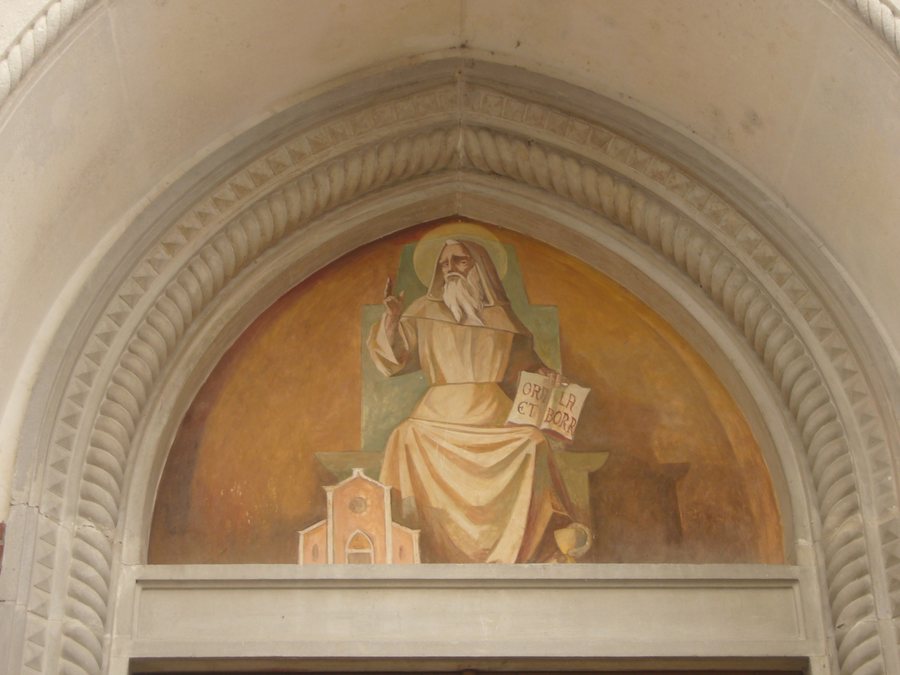 File:Chiesa di San Benedetto Abate (Rivarotta, Pasiano di Pordenone) 02.jpg
Photo: Marchetto da Trieste via Wikimedia Commons, CC BY-SA 4.0
File:Chiesa di San Benedetto Abate (Rivarotta, Pasiano di Pordenone) 02.jpg
Photo: Marchetto da Trieste via Wikimedia Commons, CC BY-SA 4.0
Villas, Parks and Roman Traces
Pasiano di Pordenone is a destination for you if you would like to discover Italian architecture not only through individual buildings, but also through parks, river landscapes and traces of older settlements. The Villa Gozzi, Villa Chiozza Luppis and Villa Querini are just as central to an exploration as the Parco dei Molini complex, the Roman archaeological landscape of Pasiano and the organ of the parish church of San Paolo Apostolo. The themes therefore range from villa architecture and landscaped garden spaces to Roman materials and a challenging circular cycling route.
Villa Gozzi was built between 1740 and 1745 based on a design by the Venetian man of letters Gasparo Gozzi, on the site of older buildings that protected a ford across the Meduna River. The villa preserves stucco-decorated ceilings, Venetian terrazzo floors, 18th-century furnishings and the library assembled by the Gozzi family. The complex therefore combines architectural design, historic furnishings and a connection to the river landscape.
The park of Villa Gozzi surrounds the villa, extends into the associated landscape and borders the Meduna River. The spatial sequence of villa, park, landscape and river defines the character of this complex.
Villa Chiozza Luppis was transformed into a villa in the 19th century over very old monastic predecessor buildings. Its park includes tall trees between boxwood hedges and lawns. Several statues, benches, an icehouse and a fountain enclosed by a rectangular balustrade complete the garden complex. If you compare garden architecture and historic complexes, you will find different details here in terms of planting, furnishings and design.
The Parco dei Molini complex comprises the old mill, an extensive park, Casa Ciot and the adjacent Parco delle Munaressa. The complex was first mentioned in a document dated March 31, 1190. This specific date anchors the site in a history reaching far back.
Architecture and Archaeological Landscape
Villa Querini is a Venetian villa dating from 1542 and is one of the oldest villas in western Friuli. Its façade features a three-part window opening from the 16th century and a Serliana. For those interested in architecture, both the age of the building and its distinctive façade details are central here.
The organ in the parish church of San Paolo Apostolo was built in 1905 by Beniamino Zanin. It complements the villas and parks with a single, clearly dated instrument of local ecclesiastical architecture.
The Roman archaeological landscape of Pasiano was integrated into the Roman road and centuriation planning system and included rural villas and farms serving various production activities. Roman archaeological materials discovered in Pasiano include bricks, roof tiles, mosaic tesserae, fine and coarse tableware, various containers, oil lamps and tools. As a result, the archaeological interest ranges from settlement planning and rural production to everyday and working materials.
Pasiano on a Challenging Circular Cycling Route
A challenging circular cycling route, demanding because of its length, begins and ends at Sacile railway station. It passes through Brugnera, Portobuffolè, Pasiano and Prata and reaches four Venetian villas. For your planning, the route is therefore particularly important: Pasiano lies within a loop whose start and finish are in Sacile.
Check prices, availability and amenities for your travel dates directly on Booking.com.
View Accommodations and OffersAdvertisement · Affiliate link to Booking.comMore Destinations for Trip Planning
Budoia, Frisanco, Casarsa Della Delizia, Pravisdomini, San Vito Al Tagliamento, San Martino Al Tagliamento, Barcis, Sacile
To the higher-level travel overview: Pordenone.

_02.jpg)