
Camino al Tagliamento – between water, history and literature
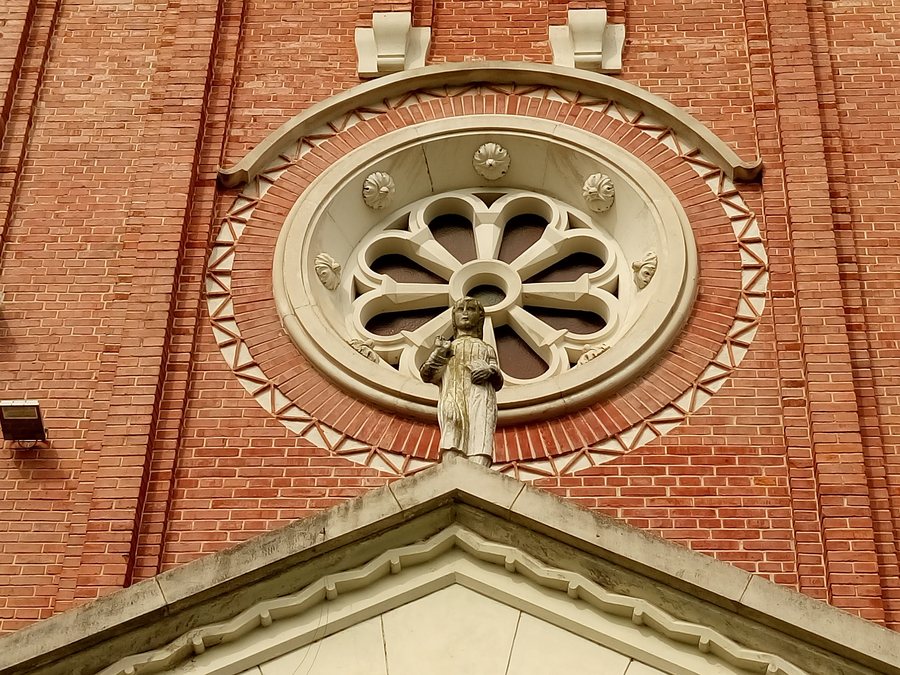 File:Camino al Tagliamento - Chiesa di Ognissanti - Rosone.JPG
Photo: Astridula via Wikimedia Commons, CC BY-SA 4.0
File:Camino al Tagliamento - Chiesa di Ognissanti - Rosone.JPG
Photo: Astridula via Wikimedia Commons, CC BY-SA 4.0
Camino al Tagliamento lies between the waterways Corno, Varmo and Tagliamento.
Town Centre and Medieval Traces
In the town centre of Camino al Tagliamento, well-preserved architectural structures and two-storey palaces can be seen. They belonged to the landowners of the area. Behind the Ognissanti church, remains of the moat of the medieval Centa can still be seen. The medieval Centa of Camino al Tagliamento was probably located in the area around the Ognissanti church. The palaces give the town centre a recognisable architectural structure; the remains of the moat add a visible trace of the town's medieval history to this impression. Those interested in culture can distinguish here between preserved buildings and a historical structure visible in the terrain.
Molino di Glaunicco and Ippolito Nievo
The Molino di Glaunicco has been documented since 1405; at that time, it supplied the Republic of Venice and the Benedictine Abbey of Sesto al Reghena. The historic watermill Molino di Glaunicco in Glaunicco is now used as a restaurant. In 1881, Ippolito Nievo set the novella “Il Varmo” at the Molino di Glaunicco. He also stayed at Villa Colloredo Mels, Mainardi, Pancotto and set several of his novellas there. The mill thus represents both a long history of water use and a specific literary setting. The villa complements this connection through Nievo's stay and the novellas set there.
Park, Water and Organ Building
A park extends behind Villa Colloredo Mels, Mainardi, Pancotto. It forms a diverse mixed forest and includes a pond created with the help of the Roggia Marzia. The park, forest and pond form an independent landscape aspect around the villa alongside its literary connections. The water area did not form naturally, but was created with the help of the Roggia Marzia. Camino al Tagliamento is also known for its long-standing tradition of organ building. The organ builders are also very well known abroad. Organ building represents a separate craft sector alongside the town's architectural and literary connections.
Cycling Route and Wine in Bugnins
The Ciclo Tour 1 cycling route runs along Via Pieve di Rosa. After 1.3 km, it reaches Camino al Tagliamento. Anyone planning this section therefore has a specific distance for the route to the town. The distance of 1.3 km refers to this section of Ciclo Tour 1. In Bugnins, Camino al Tagliamento, Azienda Agricola Paolo Ferrin invites visitors to taste its wines. The cycling route and the wine tasting offer two different ways to include Camino al Tagliamento in a personal day's itinerary. The topics range from medieval traces to wine tasting.
Further destinations: Marano Lagunare, Grimacco, Pasian di Prato, Majano, Valbruna, Lauco, Martignacco, Torsa
To the overarching travel overview: Udine.
Check prices, availability and amenities for your travel dates directly on Booking.com.
View accommodation and offersAdvertisement · Affiliate link to Booking.com
