
Lusevera: Caves, Village Culture and Paths through Nature
Accommodation in Lusevera
Cave Landscape and Geology
Lusevera can be explored from two perspectives: underground nature and village culture. The Grotte di Villanova cave complex comprises four large caves with a total length of more than 20 km. The Grotta Nuova was discovered by local residents in 1925. It formed at the contact between two different types of rock with different karstification patterns; depending on the rock, this resulted in the formation of different cave spaces. This makes the geological formation of the landscape a tangible theme for a trip.
Museum and Church Art
The Museo Etnografico di Lusevera preserves evidence of material culture. It was founded in 1973 and reopened to the public in 1981, following the 1976 earthquake. The museum is housed in the former village dairy. On display are objects relating to domestic work, livestock farming, crafts, cheese-making and religion.
The Chiesa di San Giorgio
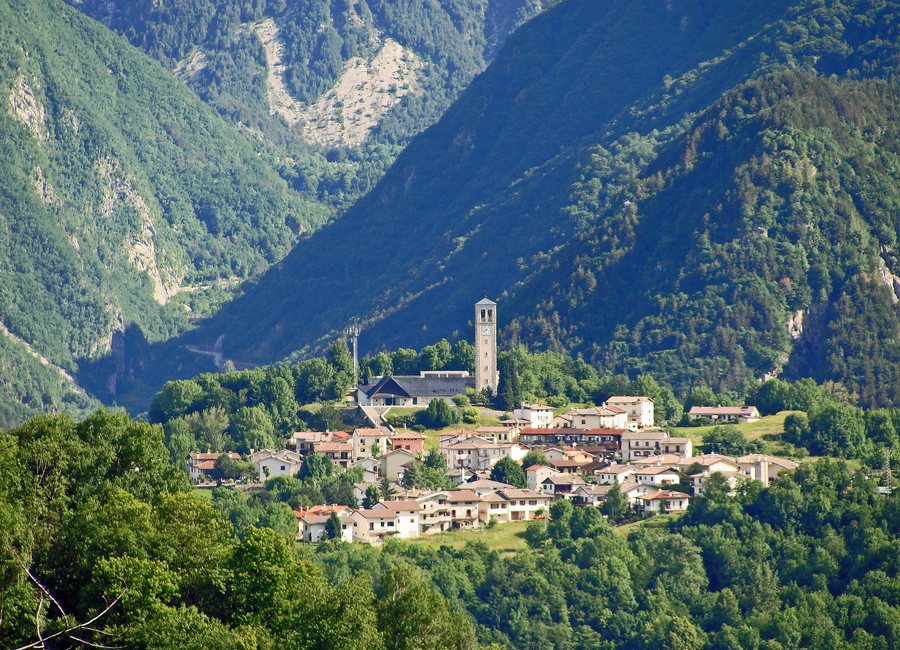
The Chiesa di San Giorgio houses a valuable Nacchini organ dating from 1743 and has two antique capitals from the 13th century. The church was overseen in every detail by the architect Gianni Avon. It forms the endpoint of the large staircase associated with the village. In this way, the architecture, sacred furnishings and relationship with the staircase come together.
Micottis: Village Tradition and Small Architectural Features
Micottis is associated with the Pust Carnival. Traditionally, humorous plays in the Torre Slovenian dialect are performed in the village square on Carnival Saturday. Micottis is also home to the Podinkona fountain, with its distinctive stone washhouse, as well as a recently restored votive shrine considered unique in the Triveneto. Festival culture, language and village architectural features thus shape this place.
Paths through Forests, Meadows and Streambeds
The Parco delle Prealpi Giulie was established in 1996 and offers activities for hikers and nature lovers. The Valle Musi nature trail follows an old route along the Mea stream through small forests, flowering meadows, streambeds and broom-covered areas. In the past, the route connected huts and pastures. Along this path, landscape features and former land use stand side by side.
Choosing Paths for Different Needs
The Pian dei Ciclamini trail is suitable for strollers and wheelchairs. Its information panels have tactile sections and explanations in Braille. For families with strollers and travelers using wheelchairs, this specific equipment is an important point of reference. The Anello Pradielis - Micottis circular route passes through Pradielis, Lusevera and Micottis, combining experiences in nature with historical and cultural sights. Depending on your interests, you can focus on the accessibility features of Pian dei Ciclamini or on the combination of nature and culture along the circular route.
Planning Arrival and Your Accommodation Location
From Tarcento, Pian dei Ciclamini can be reached via SS646 “di Uccea” in the direction of Alta Val Torre, Lusevera and Slovenia, after approximately 17 km. When choosing your hotel or accommodation for your trip to Lusevera, you can decide on your priorities in advance: caves and geology, the museum and church art, village culture in Micottis, or paths through nature and the landscape. This keeps your choice of location guided by your interests.
Other Places
Palazzolo Dello Stella, Malborghetto Valbruna, Azzano, Pulfero, Enemonzo, Ligosullo, Ruda, Latisana
For the main travel overview: Udine.

