
Pocenia: Villas, Churches and Nature along the Stella
Accommodation in Pocenia
Pocenia Among Villas, Churches and the Stella
Pocenia combines its early settlement history along the Stella with villas, churches, and a park. This creates a destination with different points of interest: architecture, local history, Roman traces, and nature observation each appeal to different interests.
Pocenia’s first settlement developed as a fishing village on the banks of the Stella. The river is therefore part of the town’s early history, while the buildings and archaeological sites add further historical layers. Those interested in how a place has developed will therefore find several connections between landscape and history here.
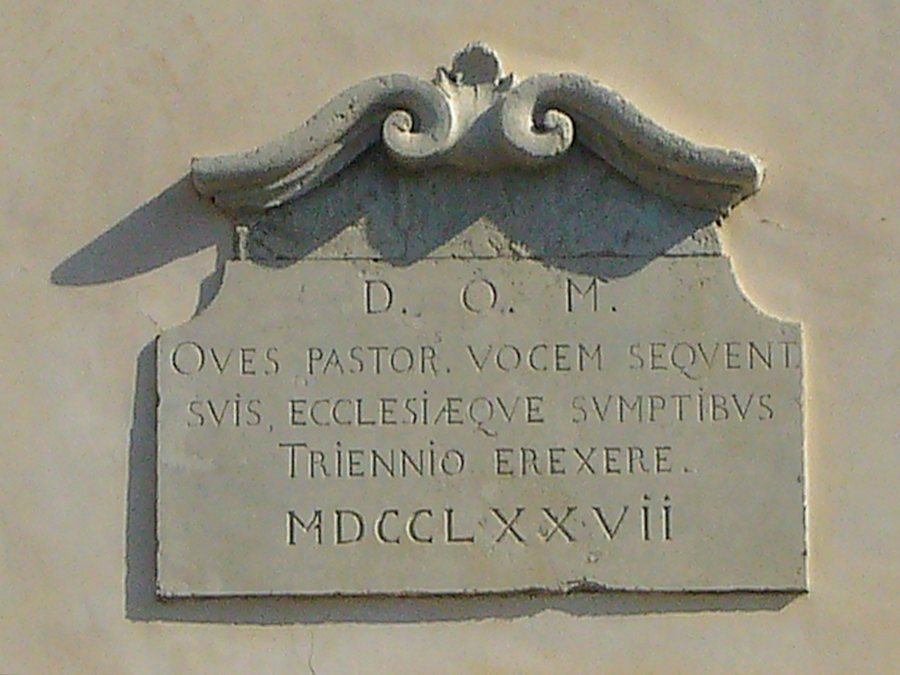 File:Chiesa di San Nicolò Vescovo (Pocenia) 06.jpg
Photo: Marchetto da Trieste via Wikimedia Commons, CC BY-SA 4.0
File:Chiesa di San Nicolò Vescovo (Pocenia) 06.jpg
Photo: Marchetto da Trieste via Wikimedia Commons, CC BY-SA 4.0
Villas and Churches as Cultural Highlights
Villa Caratti Fraccaroli comprises a manor house, a barchessa, and a large park with hills, ditches, and a pond. The combination of the group of buildings and the park gives the villa a clearly recognizable architectural and landscape dimension.
Near the center of Pocenia, Villa Sbroiavacca Michieli Fantin is located on Via dello Stella–SP43 and not far from the A4 motorway. Its main building dates from 1800; it is a linear, three-storey structure with a park. The year of construction and the clear design add a precisely dated example to the town’s historical diversity.
In Roveredo, the Chiesa della Beata Vergine del Rosario preserves its original 13th-century floor plan. A semicircular apse is also one of its features. The church thus represents a medieval architectural trace within Pocenia’s cultural surroundings.
In the rural district of Paradiso di Pocenia, the Chiesa di Santa Maria Annunziata can be reached via Via Crosaris or Strada Provinciale 87. For orientation on site, there are therefore two access routes to the church; at the same time, the district’s rural character remains part of the townscape.
Roman Traces and Medieval Town Center
Near Stroppagallo, remains point to a Roman road that connected Aquileia and Cividale via Pocenia. Coins from the time of Augustus and several amphorae were found along this presumed road. The Roman traces add an ancient layer to the medieval and modern architectural monuments.
The medieval Centa di Pocenia is thought to have surrounded the area where the Church of San Nicolò Vescovo and its bell tower now stand in the town center. The town center thus combines a present-day church with a merely presumed medieval enclosure.
In the wider regional surroundings of Pocenia, there is also Castello di Brussa, a castle. This site extends the cultural horizon beyond the buildings and archaeological sites located directly within the municipality.
The Stella and Torsa: Landscape and Birdlife
The Parco Comunale dei Fiumi Stella e Torsa in Pocenia is partly included in the Natura 2000 protected area ZSC IT3320026 Risorgive dello Stella. Around 200 bird species have been recorded in the park. Its protected-area status and diverse birdlife make the park appealing to travelers who want to include landscapes and wildlife observation in their plans.
When choosing accommodation for your trip to Pocenia, you can therefore focus on either culture or the natural environment. Villas, churches, and Roman finds shape the cultural and historical side; the park represents rivers, a protected area, and birdlife. The relevant locations range from the center and the rural district of Paradiso di Pocenia to the wider regional surroundings.
More Places for Planning Your Trip
For further orientation, you can also include Nogaredo di Corno, Taipana, Paluzza, Attimis, Martignacco, Gorgo, Sedegliano and Buja in your plans.
For the overarching travel overview: Udine.

_06.jpg)