
Labro: Historic Townscape, Churches and Nature
Accommodation in Labro
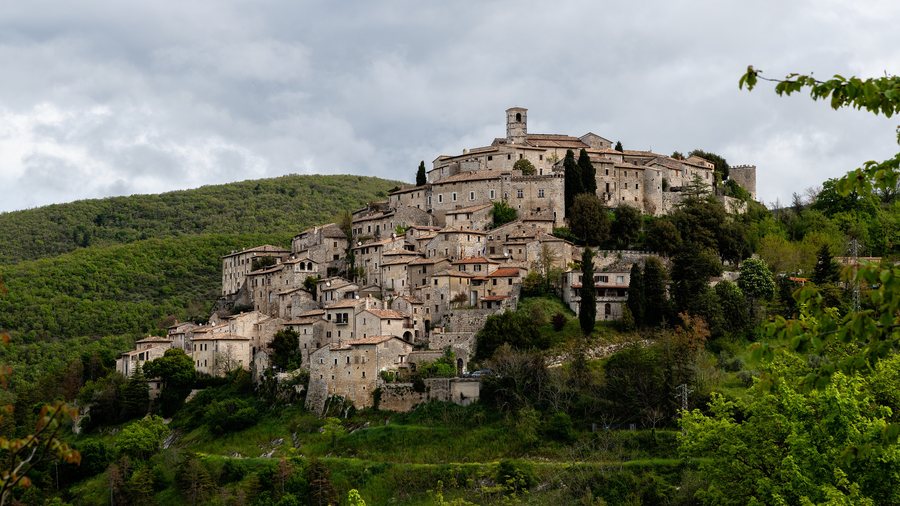
Labro preserves its historic town structure and small houses. Castello Nobili Vitelleschi is located in the immediate vicinity of Labro. It belongs to a group of fortified settlements founded between the 10th and 11th centuries on the initiative of local rulers on the southwestern slopes of the mountains of the Terminillo massif. The historical classification of the castle connects the preserved character of the town with the mountain landscape of the Terminillo massif. For those interested in culture, both Labro’s historic fabric and the history of fortified settlements are therefore key points of interest.
Churches and Historic Buildings
The former Franciscan convent includes the Church of Madonna della Neve. This church dates from the 15th century and adds a sacred point of reference to Labro’s historic character. The Chiesa Santa Maria Maggiore in Labro is a 16th-century church. Madonna della Luce in the village of Madonna della Luce also dates from the 15th century. The religious buildings date from the 15th and 16th centuries and are located in Labro and in the village of Madonna della Luce. If you are interested in Italian churches and historic townscapes that have developed over time, Labro offers several different historical points of reference without reducing the town to a single building.
Lake Views and Landscape
Labro is situated by a nature reserve named after the lakes Lungo and Ripasottile. These lakes were formed by the Velino River and give the landscape a distinctly water-oriented character. Lago di Piediluco is part of the panorama around Labro. When planning your time in the landscape, you can therefore distinguish between the nature reserve with Lungo and Ripasottile and the panorama featuring Lago di Piediluco. The lakes are an additional feature alongside the historic townscape and broaden Labro’s scenic perspective. This creates a connection between the historic townscape and the wider landscape for your travel planning: you can combine cultural impressions with an interest in nature and views of the lake landscape.
Hiking, Horse Riding and Pilgrimage Route
Labro is a starting point for walking the Cammino di San Francesco. There are also routes for trekking, horse riding and mountain biking in the surrounding area. These routes lead through valleys, unspoilt forests and high Apennine passes. For a day around Labro, you can choose between the pilgrimage-oriented Cammino di San Francesco and the trekking, horse-riding and mountain-biking routes in the surrounding area.
Practical Orientation in Labro
For getting around locally, it is important to know that Labro can be entered exclusively on foot through Porta Reatina. This access point is therefore a specific reference when you explore Labro’s historic town structure and small houses on foot.
For more travel ideas, you can also explore Poggio Catino, Pescorocchiano, Gavignano Sabino, Accumoli, Canneto, Apoleggia, Forano and Collegiove.
For the broader travel overview: Rieti.

