
Varco Sabino: Nature Trails, Lago del Salto and History
Accommodation in Varco Sabino
Varco Sabino combines nature trails, mountain views, Lago del Salto and a multifaceted local history. If you would like to combine landscapes, outdoor activities and historic sites on your trip to Italy, you will find different starting points here for planning your days.
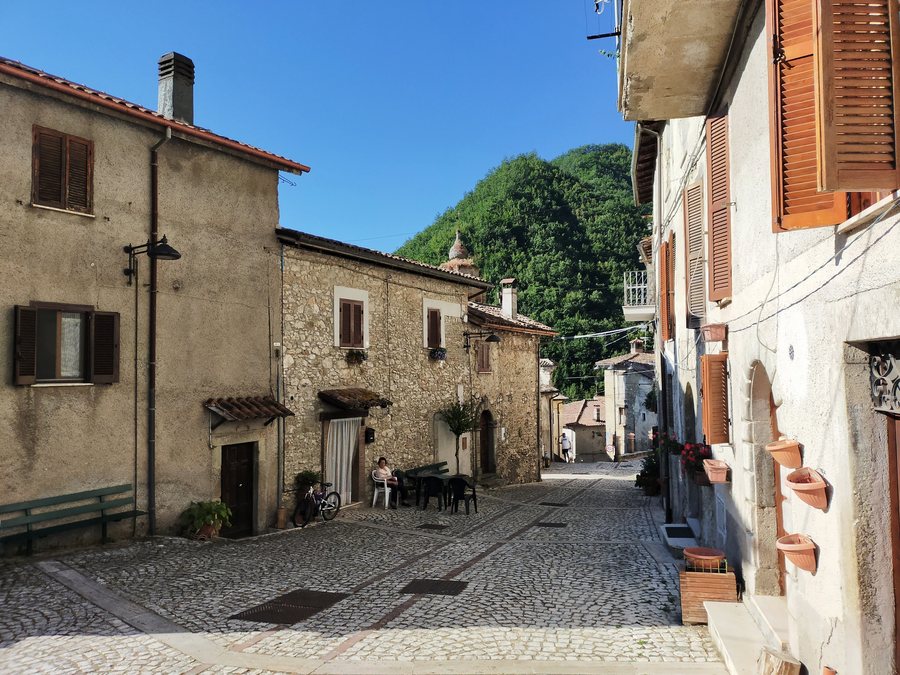
Nature reserve and trails through the landscape
The Monte Navegna and Monte Cervia Regional Nature Reserve includes Varco Sabino and protects around 3,600 hectares of particularly valuable natural areas. Approximately 70% of the area is covered by predominantly semi-natural coppice woodlands and productive chestnut groves. For walks and hikes, the reserve offers around 90 km of continuously marked and well-maintained trails.
From Monte Navegna, you can see Lago del Salto and numerous villages in the Cicolano area. The view thus connects the natural mountain environment with the settlements and landscapes of the surrounding area, without requiring you to commit to a single excursion destination.
Hiking, horse riding and themed routes
You can explore the trails of the Ecomuseum of Salto and Turano on foot, by bicycle, on horseback or by car. This allows you to experience the landscape in different ways, depending on whether you prefer a hike, a bike tour, a horseback ride or a drive.
The CAI 325 trail begins at Fosso della Mola below Varco Sabino and leads to Fonte Le Forche on the southern slopes of Monte Navegna. The nature reserve’s network of long-distance trails also includes the Cammino Naturale dei Parchi, the Cammino di San Benedetto, the Sentiero Italia and the European E1 Trail. The “Laudato Si” trail runs between Ascrea and the Forche di Varco Sabino.
There is also an extensive connection along the water: the Ippovia along the shores of Lago del Salto is more than 200 km long and passes through Varco Sabino. Lago del Salto is also suitable for wakeboarding in both cable and freeride modes.
Villages, churches and historic traces
Poggio Vittiano is a well-preserved medieval village and a hamlet of Varco Sabino. The Chiesa della B. Vergine Assunta in Poggio Vittiano has medieval origins. The Grotta di San Michele di Varco Sabino is part of the Ecomuseum’s themed religious route.
The rural church of Sant'Angelo de Varco was first mentioned in 1252 in a register of churches dependent on the San Salvatore Maggiore Abbey. The Church of San Girolamo preserves a bas-relief of a processional cross from the 15th century. Alongside the trails, places like these give exploration a clear cultural and historical focus.
Mirandella is an old settlement of Varco Sabino that was abandoned around the 17th century. The small village of Varco Sabino was established in the 15th century after an earthquake destroyed nearby Mirandella. The well-preserved Roman Bridge bears witness to the area’s importance as an access route to Abruzzo.
The Ecomuseum’s themed cultural route “Itinerario dei Castelli e delle Rocche” includes Rigatti. Rigatti Castle was probably founded in the 12th century. In Rocca Vittiana, a hamlet of Varco Sabino, a small maze of narrow streets and arches crosses a rocky outcrop above Lago del Salto.
Local character and events
“Estate in Festa” includes the gastronomic tour “Salli e Magna”. The event is associated with the week around Ferragosto and includes performances of plays in the dialect. This adds a culinary and community aspect to the nature and cultural routes that characterize Varco Sabino.
Other destinations: Salisano, Scandriglia, Santa Maria, Casali, Montopoli Di Sabina, Toffia, Poggio Vittiano, Magliano Sabina
To the main travel overview: Rieti.

