
Bormida: Forest Landscapes, Ecclesiastical Art and Local History
Forest Landscapes and Local History in Bormida
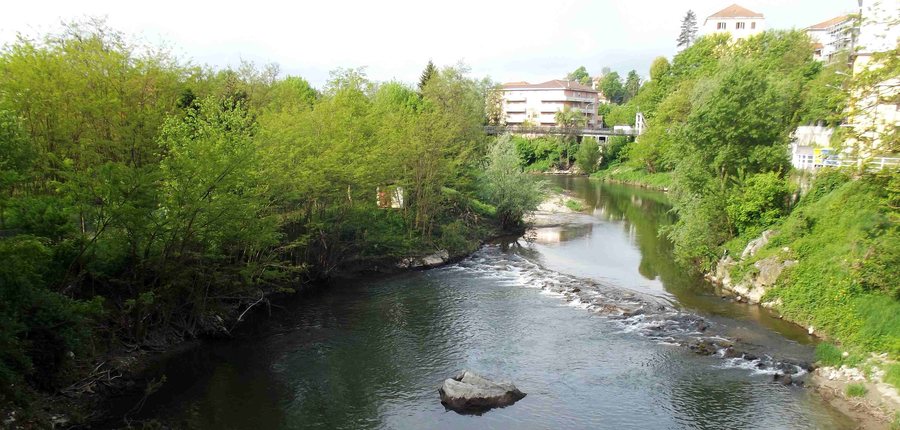
Bormida combines a heavily forested municipal area with a rich succession of historic and cultural sites. Forests cover 96% of the municipal area. The municipality also includes the sources of the Bormida di Pallare, a major tributary of the Bormida River. This results in a clear dual theme for planning your trip: nature and local history can be explored in Bormida from different perspectives. You can focus on forest landscapes and views or devote your time to the churches, chapels, museums and historic buildings.
San Giorgio and Sacred Art
The parish church of San Giorgio dates from 1481 and preserves valuable paintings as well as wooden statues of the Madonna, Mary Magdalene and Saint George slaying the dragon. The statue of Mary Magdalene is attributed to the sculptor Anton Maria Maragliano. The bell tower is Baroque and stands on a 15th-century foundation.
Oratory, Museum and Historic Traces
The former oratory of the Brotherhood of Mary Magdalene dates from the 17th century. Today, it houses the parish theatre and is the headquarters of the Pro Loco of Bormida. The Museo dei Paramenti Sacri is located in the rooms of Bormida’s parish church. It displays dalmatics, chasubles, copes and stoles of precious, rare and antique craftsmanship.
In its Sala Maggiore, the museum also displays a silk-painted banner depicting Saint George and the dragon. It dates from the beginning of the 19th century or, more probably, the end of the 18th century, belonged to a brotherhood from Voltaggio and depicts Bormida’s patron saint.
Cappella della Madonna del Carmine and Palazzo La Ferriera
In 1666, the Cappella della Madonna del Carmine sheltered Princess Margherita Teresa D’Asburgo beneath its former entrance portico. She was the daughter of the Spanish King Philip IV and was travelling to her wedding to the Austrian Emperor Leopold I. The chapel’s exterior structures and interior furnishings were recently restored.
The Palazzo “La Ferriera” takes its name from ironworking, the town’s most important activity between the 17th and 19th centuries.
Melogno, Madonnina and Piano Sottano
The Melogno Provincial Protected Area stretches from Monte Bedò to Monte Settepani. It contains high-trunk beech forests, chestnut groves, hazel thickets and mixed forests; birches, Scots pines and silver firs are also found there. The statue of the Madonnina del Carmine can be reached via a marked trail and offers a beautiful view of Piano Sottano.
Sferisterio and Laghetto di Romana
The municipal Sferisterio was built in 1986. Championships in various categories, including Serie B, as well as several summer tournaments are held there. Laghetto di Romana offers sport fishing for professional and recreational anglers. The lake has an equipped picnic area and a new bar with a veranda facing the lake.
Check prices, availability and amenities for your travel dates directly on Booking.com.
View Accommodation and OffersAdvertisement · Affiliate link to Booking.comMore Destinations for Planning Your Trip
If you would like to extend your trip beyond Bormida, also discover Magliolo, Nasino-Borgo, Pianazzo, Spotorno, Piani, Giusvalla, Castelbianco and Mioglia.
For the higher-level travel overview: Savona.

