
Calice Ligure: Trails, Culture and Regional History
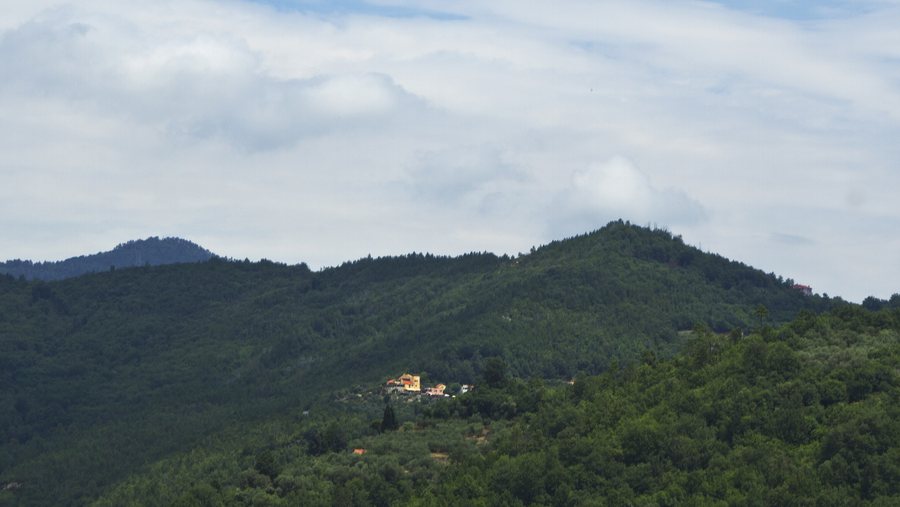 File:17020 Calice Ligure, Province of Savona, Italy - panoramio.jpg
Photo: trolvag via Wikimedia Commons, CC BY-SA 3.0
File:17020 Calice Ligure, Province of Savona, Italy - panoramio.jpg
Photo: trolvag via Wikimedia Commons, CC BY-SA 3.0
Calice Ligure combines themed trails, historic buildings and Ligurian festival traditions. Nature observation, culture and regional cuisine can be explored here at different paces. When choosing your hotel, you may wish to consider whether you want to make walking paths, longer routes, architectural history or local specialities the focus of your days.
Four trails with different focuses
The municipal project “A spasso per Calice Ligure” offers four themed trails. The network of routes begins in Piazza Cesio, where there is an information point with a notice board and tactile map. Via del Beo is the central trail and is fully accessible thanks to special signage and safety devices for blind or visually impaired visitors. The Percorso Cultura is an easy walking trail with historical, cultural and scenic features. The Percorso Natura is a nature-oriented hike for observing the environment and agricultural land and has a higher difficulty level. The Percorso Sensoriale stimulates the senses of touch, smell and hearing, as well as proprioception, meaning body awareness.
Routes and landscape
Further routes add to the selection. The “Calice - Eze - Madonna della Guardia” route covers 3,396 metres. The “Calice - C.Gariglio - S.Rocco” route covers 2,408 metres. The “Anello di Canto e Cascate rio Carbuta” route covers 2,311 metres. The “Carbuta - S.Martino - Madonna delle Grazie - Strada di Colla S. Giacomo - Rif. Siri - AVML presso colle Cravarezza” route covers 6,684 metres. The different route lengths help you compare options and tailor your daily planning to your interests.
The landscape’s history also includes the Pora stream: around Calice, it created a flat alluvial plain where intensive irrigated farming could be practised. The Barbarossa grape variety was also cultivated in Calice and has now almost disappeared.
Churches, bridge and Casa del Console
The parish church of San Nicolò was built in the 17th century on the remains of a 13th-century building. The chapel of Santa Liberata was built in 1550 and restored in the 18th century. The church of San Sebastiano has three naves, a quadrangular apse and a Renaissance portal. The central section of the “strada vecchia per Eze” trail is among the protected immovable cultural assets in Calice Ligure. At Mordeglia, between the church of San Sebastiano and Calice, lie the remains of the multi-arched Pons-Paule Bridge, built from large dressed blocks; they are probably considered to be of Roman origin because the bridge stands along the original route of the Via Julia Augusta.
The public villa Casa del Console dates from the early 19th century and preserves the historical memory of the artists’ colony in Calice Ligure shaped by Emilio Scanavino. It includes the “Cartoline d’Autore” collection, with around one hundred small-format works from a competition organised by the municipality in 1980.
Festa di Settembre and getting there
The Festa di Settembre takes place every year in September to mark the end of the summer season and offers food and craft stalls from Liguria and southern Piedmont. The festival’s traditional dish is boned, breaded and fried rabbit. For travelling there, TPL line 35 connects Calice Ligure with Finale Ligure.
Check prices, availability and amenities for your travel dates directly on Booking.com.
View accommodation and offersAdvertisement · Affiliate link to Booking.comFurther destinations
For further travel planning, you can also explore Ceriale, Magliolo, Capitolo-costa, Erli, Albissola Marina, Mioglia, Bardino Nuovo and Campochiesa.
For the higher-level travel overview: Savona.

