
Robbio: Churches, Castello and Via Francigena Routes
Accommodation in Robbio
Robbio: History, Routes and Local Tradition
Robbio can be explored in different ways: through its historic buildings, along the routes of the Via Francigena and through the Palio dl'Urmon, which combines competition and cuisine. If you would like to combine culture, a pilgrimage stage and everyday regional culture, you will find several clearly distinct points of interest here to help plan your trip.
Churches and Castello di Robbio
The Chiesa di San Valeriano belonged to an old Cluniac priory dating from the 11th century. The Chiesa di Santo Stefano was consecrated in September 1795 and built on the remains of an older parish church. The Castello di Robbio was built in the 14th century. The castle has a quadrangular layout with an open courtyard and a tower known as the Torre Sanner. Together, these buildings provide several historical points of reference, with origins dating from the 11th to the 18th century.
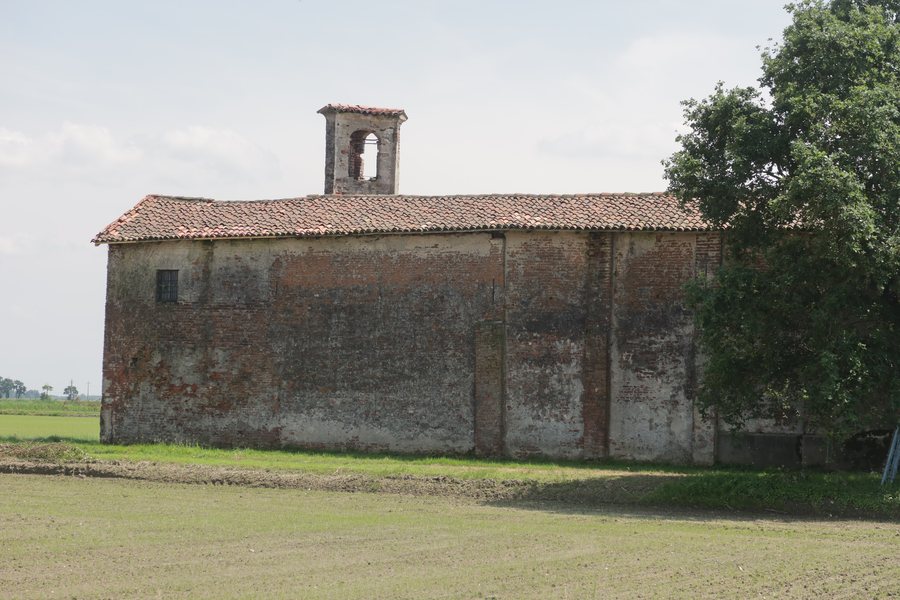
The Chiesa di San Sebastiano occupies a particularly distinctive location. It stands on the southeastern outskirts of Robbio, within the Cascina of the same name, along the ancient Via Francigena. Inside, the church preserves frescoes depicting the miracles and final stages of Saint Sebastian's life. For your walk, this place therefore combines a specific location on an old pilgrimage route with a clearly defined religious cycle of frescoes.
Palio dl'Urmon and Paniscia
The Palio dl'Urmon was established in 1985 and is held every year in late summer as a competition between Robbio's eight historic districts. Its culinary side is equally well defined: each district prepares large quantities of Paniscia made with Carnaroli rice, salame, pork lard, garden vegetables and Barbera wine, and serves the dish with cotechino. If you do not want to consider local food culture separately from history and community, this event is one of Robbio's distinctive traditions.
Routes Starting and Ending in Robbio
The Itinerario delle Torri begins and ends in the Parco della Chiesa di San Pietro in Robbio. Its route passes through the historic towns of Robbio, Rosasco and Palestro. Another established route connection is the Via Francigena stage from Robbio to Mortara: it begins at the Chiesa di San Pietro and ends at Mortara railway station.
Via Francigena and Getting There
On the Via Francigena section from Vercelli to Robbio, the final stretches into Robbio follow a lightly trafficked provincial road. Before that, you pass along narrow embankments between flooded fields. This sequence marks a clear change in the landscape along the route before Robbio is reached. For travel connections, Robbio railway station is linked to the Pavia–Vercelli railway line. When choosing a hotel in Robbio, you can consider the historic destinations, the planned route and this railway connection as different criteria for selecting the location, without assuming a particular accommodation location.
Further destinations: Certosa Di Pavia, San Giorgio di Lomellina, Palestro, Pavia, Varzi, Ponte Nizza, Montecalvo Versiggia, Zerbolò
To the main travel overview: Pavia.

