
Discover Asti: Art, History and Monferrato Astigiano
Accommodation in Asti
Asti opens up a journey in which art, sacred architectural history, Roman traces and the landscape of Monferrato come together to create a multifaceted picture. At Palazzo Mazzetti, you will encounter Baroque architecture and paintings; the Cattedrale di Santa Maria Assunta leads into medieval and Astigian art history, while museums bring fossils, the Palio and ancient evidence to life.
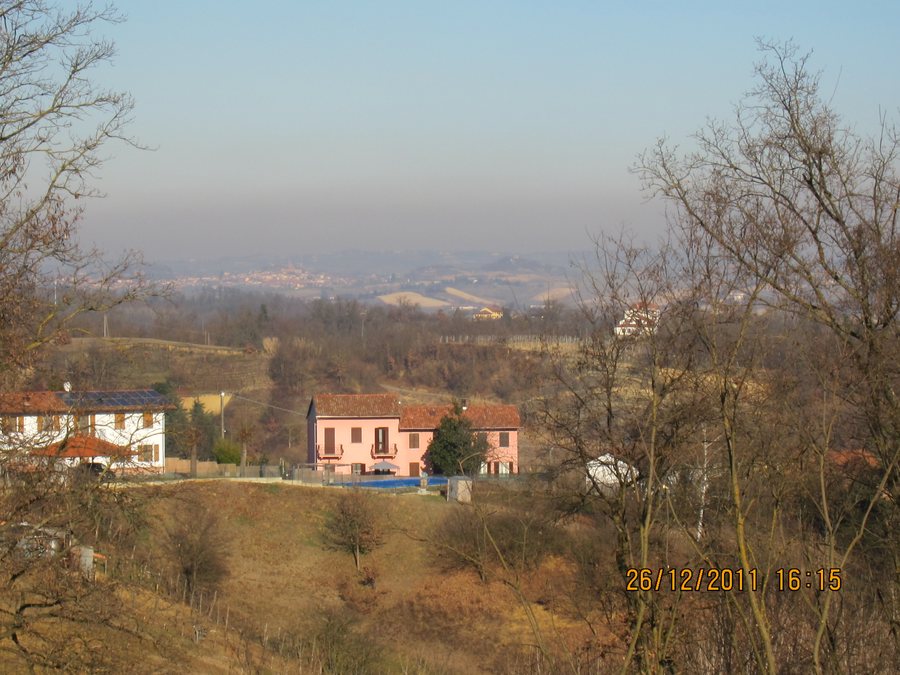 File:Asti, Province of Asti, Italy - panoramio.jpg
Photo: Elettricista Tecnolo… via Wikimedia Commons, CC BY 3.0
File:Asti, Province of Asti, Italy - panoramio.jpg
Photo: Elettricista Tecnolo… via Wikimedia Commons, CC BY 3.0
Art and architecture in Asti
Palazzo Mazzetti bears the name of the Mazzetti family and is a Baroque palace in Asti. It houses the municipal art gallery of Asti. On display are collections of paintings and sculptures from the 19th and 20th centuries. Palazzo Mazzola provides a different architectural accent: It is considered a rare example of Renaissance architecture in Asti.
The Cattedrale di Santa Maria Assunta is the largest cathedral in Piedmont. It was rebuilt between 1309 and 1354 on the foundations of the former Romanesque cathedral. Frescoes and paintings by Astigian artists such as Gandolfino da Roreto and Guglielmo Caccia complement the architectural history with specific works of art. For those interested in regional sacred art, historical development here combines with the names of important artists.
The Museo Diocesano San Giovanni displays a Gothic wooden choir stall by Baldino da Surso from 1477, providing a precisely dated example of ecclesiastical art. The crypt contains four reused Roman columns, three of which are made of Egyptian red porphyry. This makes architecture comprehensible through preserved structural elements and unusual materials as well.
Antiquity, fossils and ecclesiastical history
The Domus Romana preserves the remains of a patrician house from the 1st century AD. The Museo dei Fossili - Paleontologico displays Pliocene remains of whales and dolphins; it also explains the key geopalæontological events that shaped the Asti area. The Balena di San Marzotto d’Asti is considered a unique specimen worldwide there.
The Museo e Cripta di Sant’Anastasio includes an 11th-century Romanesque crypt with three small naves and groin vaults. The Santuario Diocesano della Beata Vergine del Portone incorporates the medieval city gate of San Giuliano. Its side garden contains a copy of the Grotto of Lourdes created in 1930. In Asti, sacred spaces, historic structural elements and religious evidence thus emerge as different facets.
Exploring the city’s history and the Palio on foot
The Itinerario Asti Medievale can be completed on foot in two days. The Museo del Palio complements this historical perspective with an exhibition tour about the Palio horse race, which also conveys the history of the city of Asti. This allows walks and urban history to be incorporated into travel planning as compatible interests.
Asti’s tourist information office is located in Piazza Alfieri, opposite a large car park. Access to the Domus Romana is provided with the Smarticket.
Landscape and local food culture
Outside the city of Asti lies the UNESCO-listed landscape of the Monferrato Astigiano hills, covered with vineyards. It complements the palaces, cathedrals, crypts and museums with a focus on the landscape. During the Festival delle Sagre, each participating Pro Loco association offers a typical menu at its stand. Asti’s cultural themes are thus joined by vineyard landscapes and regional food culture.
More destinations
Rocca D'arazzo, Agliano, Castello Di Annone, Gorra, Montechiaro D'asti, Moasca, Rocchetta Tanaro and Calliano
To the higher-level travel overview: Asti.

