
Bibiana: Forest Trails, Wine Country and the Churches of Famolasco
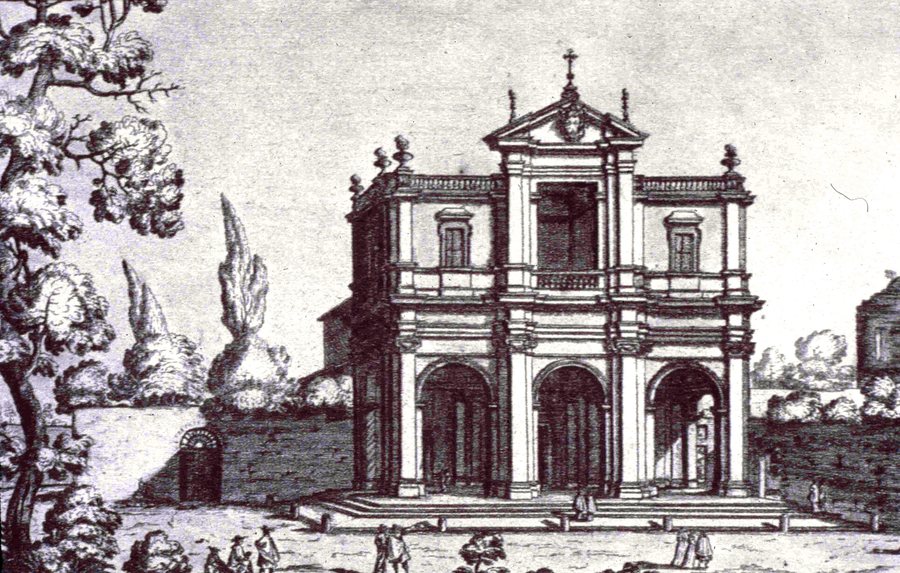 File:Facciata della Chiesa di S. Bibiana. Incisione settecentesca - Archivio Accademia delle Scienze Torino, Millon 64 05 034.jpg
Photo: Giovanni Battista Falda via Source, Public domain
File:Facciata della Chiesa di S. Bibiana. Incisione settecentesca - Archivio Accademia delle Scienze Torino, Millon 64 05 034.jpg
Photo: Giovanni Battista Falda via Source, Public domain
Bibiana Between Hills and Plain
When you consider Bibiana as a travel destination, you encounter two clearly different landscape areas. The municipality includes hilly and mountainous terrain reaching approximately 900 metres above sea level, as well as a separate flat area. This distinction is helpful when planning your trip because it means Bibiana is not limited to a single type of terrain. The two areas shape the character of the place in different ways. Those who want to compare higher elevations and flatter sections within the same destination will find an objective framework for planning their days in this division.
Forests, Vineyards and Cultivated Areas
The mountainous area of Bibiana contains forests of chestnut, beech and birch trees. The hilly landscape around Famolasco and S. Espedito is characterised by green meadows, vineyards and kiwi cultivation. Bibiana is part of the DOC zone for Pinerolese wines. In the flat districts of S. Bartolomeo, Madonna delle Grazie and Pellengo, there are extensive cultivated areas for apples, peaches and pears. The undergrowth in the hilly and mountainous area of Bibiana offers typical products such as mushrooms and chestnuts. The topography also shapes Bibiana's agriculture: vineyards and kiwi cultivation are found in the hills, while fruit-growing areas lie on the plain.
Famolasco: Views and Castle
Famolasco is a pre-Alpine settlement in the hills below Montoso. From Famolasco, extensive parts of the Piedmont plain can be seen on clear days. The castle of Famolasco, with its crenellated tower, dates from the 11th century and is still preserved. For visitors who want to consider local history and the landscape together, this settlement offers both a historic building and expansive views of the surrounding landscape.
Churches, Chapel and a Fresco
The Chapel of San Bartolomeo in Famolasco is still consecrated. A few steps from the chapel stands a votive pillar dedicated to the Madonna. One side bears a fresco from the 16th century. Famolasco is also home to a church dedicated to San Biagio. The Church of San Marcellino on the hill of Famolasco dates from the 12th century and is among Bibiana's oldest artistic testimonies.
Old Paths and Cycling Routes
In Bibiana, old paths and walking trails through the forest, including the Viol marchès, can be explored on foot. The Strada dei boschi is also one of these paths and can be walked. In the plain of Bibiana, there are numerous cycling routes that make it possible to visit the neighbouring municipalities. For planning your stay, this creates a clear distinction between forest trails and cycling routes: you can organise your means of transport according to the respective landscape area and your interests.
Check prices, availability and amenities for your travel dates directly on Booking.com.
View Accommodation and OffersAdvertisement · Affiliate link to Booking.comMore Destinations for Your Trip to Italy
For further travel planning, you can also explore Foglizzo, Dubbione Di Pinasca, Mazzè, Condove, Fenestrelle, San Giorio, Rollieres and Monfol.
To the higher-level travel overview: Turin.

