
Giaveno: Churches, Mills and Trails between History and Culinary Delights
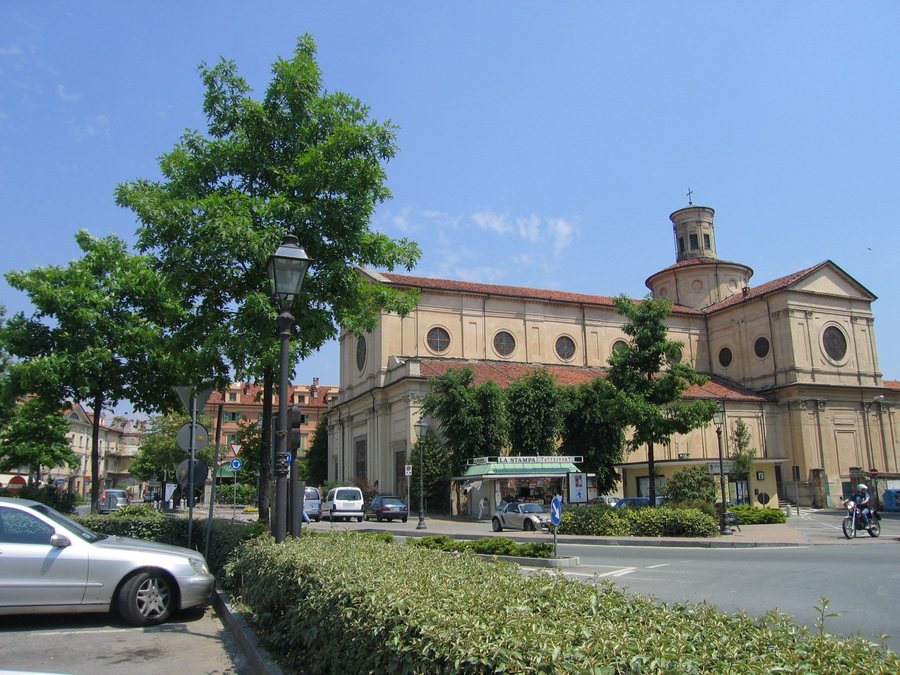 File:San Lorenzo Martire, church in Giaveno, Italy.jpg
Photo: Iron Bishop via Wikimedia Commons, CC BY-SA 3.0
File:San Lorenzo Martire, church in Giaveno, Italy.jpg
Photo: Iron Bishop via Wikimedia Commons, CC BY-SA 3.0
Giaveno combines history, landscapes and regional culinary traditions in a variety of ways. These include the Chiesa di San Lorenzo Martire, Mulin du Detu, several themed trails, and traditions surrounding bread, potatoes and mushrooms.
Churches, Art and Documented History
Rebuilding work began at the Chiesa di San Lorenzo Martire in 1622. That same year, Cardinal Maurizio founded the Collegiata dei Canonici with papal approval. The church preserves wall paintings and canvases by Enrico Reffo and Federico Siffredi, as well as an altarpiece by Joseph Ouvertus. The Chiesa dei Batù has an organ from 1781, created by the Concone brothers, which has been preserved in its original structure.
The Chiesa di San Rocco also combines architectural history and art: it was probably built in 1646 following a vow made by the municipal council in response to the plague epidemic of 1630, and it preserves works by Alessandro Trono. A monochrome painting depicts San Rocco together with San Sebastiano and San Carlo Borromeo. In the Santuario Nostra Signora di Lourdes, the left transept contains a replica of the Grotto of Lourdes; the building is designed in the Romanesque-Lombard style and entirely clad in stone.
The Pieve di San Lorenzo and Villa Marsili also help provide historical context. The Pieve di San Lorenzo in Giaveno is documented in records dating from the early 12th century. Francesco Gonin lived and worked at Villa Marsili from 1877 to 1889. Mulin du Detu is a historic mill in the Ruata Bassa district, built in 1218; it was formerly an abbey mill and belonged to the Benedictine monks of Sacra di San Michele Abbey.
Trails between Landscapes and Memory
Several trails pass through landscapes marked by traces of history. The Sentiero Augusto Monti is a circular route in the valley of the Torrente Romarolo within the municipality of Giaveno. The Itinerari della Resistenza in Giaveno comprise two publicly accessible routes with information panels and images; additional information, short films and eyewitness accounts can be accessed via QR codes. The Sentiero dell’antica frontiera passes Colle del Besso, where clearly visible remains of French defensive earthworks from the 17th century can still be found. The Sentiero delle Vite passes ruined houses, wayside shrines and dry-stone walls that bear witness to the former rural mountain settlement. Along the Sentiero delle Rocce, a stream flows between rock walls over large slabs of light-coloured gneiss, passing small waterfalls and very clear pools.
Bread, Mushrooms and Local Traditions
Giaveno Città del Buon Pane takes place in September and has been held since 2003; on Piazza Mautino, visitors can observe parts of the bread-making process. Giaveno has a tradition of large, historic bread varieties such as micca, biove, mezzana and stirotto. From September to October, the event programme features culinary traditions and festivals centred on bread, potatoes, mushrooms and Bagna Càoda. Fungo in Festa is a traditional event usually held in October and accompanied by an annual mushroom exhibition. As part of Giaveno Città del Buon Pane, the historic mills Mulin du Detu and Mulino della Bernardina were open to visitors.
Check prices, availability and amenities for your travel dates directly on Booking.com.
View Accommodations and OffersAdvertisement · Affiliate link to Booking.comMore Destinations
More destinations: Dubbione Di Pinasca, Caselle Torinese, Castagneto Po, Garibaldi, Pino Torinese, Almese, Palazzo Canavese and San Gillio.
More about Turin.

