
Meana di Susa: Trails, Hamlets and Living History
Meana di Susa between trails and hamlets
Meana di Susa is best explored through its hamlets and the paths that connect them. These run along lanes as well as convenient, shady roads, making it possible to visit the villages. Along the way, you will encounter traces of a bygone way of life in the landscape, architecture and traditions. Walking paths lead from the hamlets through forests and past springs; a local trail also runs along the Forra delle Combe.
From Borgata Assiere, a steep path leads to the Chapel of San Michele, which stands on a rocky spur. The chapel is situated on a rise with a wide panoramic view. The Sentiero dei Franchi runs along the slope, passes several hamlets and descends from the Assiere area before joining the road to Colle delle Finestre. This path was once a mule track, but today it is difficult to walk. For hiking enthusiasts and experienced hikers, Meana di Susa also offers high-altitude excursions, for example to Assietta and Colle delle Finestre.
Mountain biking and old trails
The surrounding area can also be experienced in a different way by mountain bike. The Percorso 3V is a moderately difficult route through mountainous terrain and passes through several municipalities, including Meana di Susa. After a section through chestnut groves, it reaches Borgata Assiere. An old mule track to Colle delle Finestre begins at Borgata Traverse and leads via Lengaplusa.
Churches, towers and local traditions
The historic buildings include the Torre delle Combe: an old tower with a square floor plan and a military appearance, which probably served more as a signal tower than as part of a defensive structure. The Torre delle Combe is located in the settlement of Suffis-Combe, a hamlet of Campo del Carro. Suffis is also home to the remains of the castle of the Ripa di Meana, the former feudal lords of the place.
The parish church of Santa Maria Assunta dates back to the 11th century. It was largely rebuilt in the 18th century, but still retains part of its Romanesque bell tower. Borgata Sarette is home to an old, presumably sacred building with a still-visible bifora made of dressed stone. The Casaforte di Meana is a sturdy building with a square floor plan that rises over three levels and is topped by a battlemented defensive walkway. The old Ponte delle streghe is connected with local legends about the Sursiere and the Sursia, the witches and sorcerers of times past.
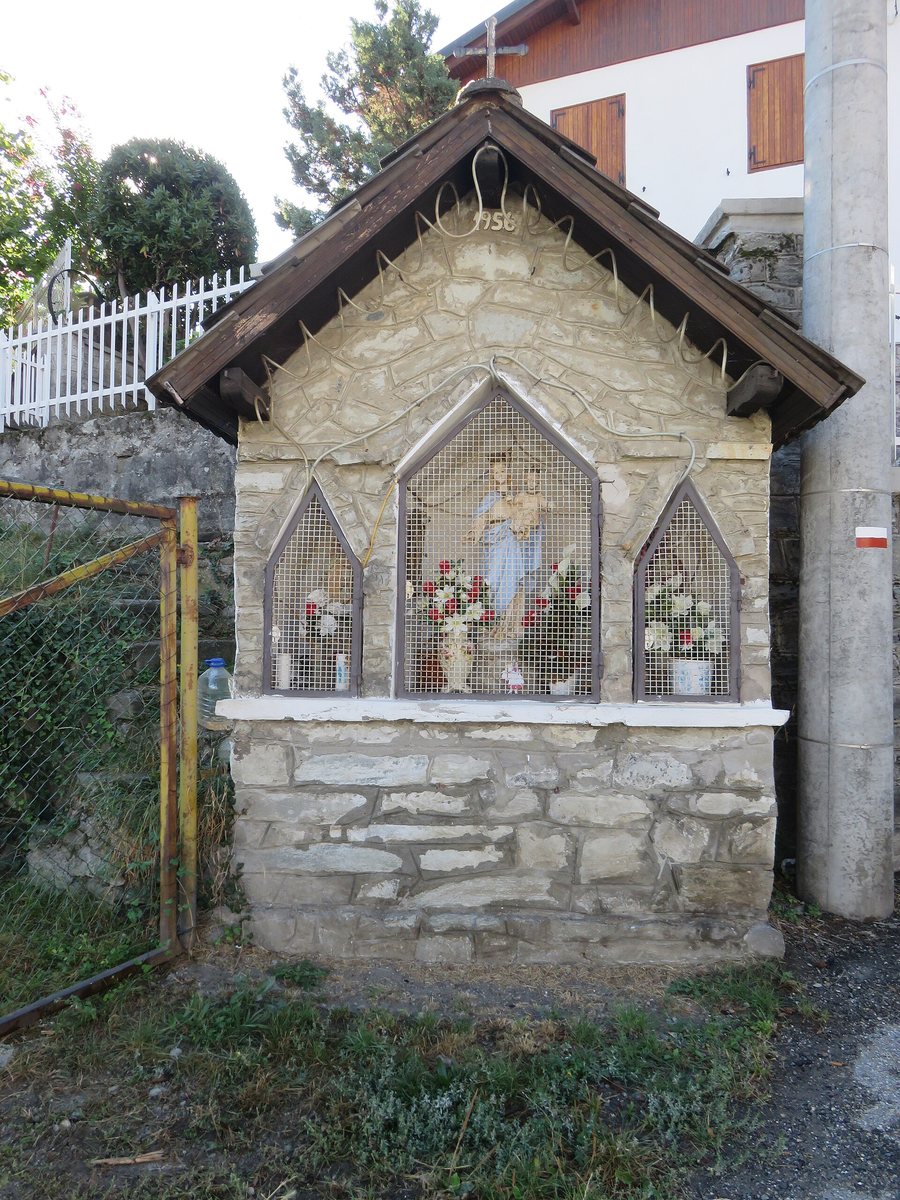
The Chapel of San Costanzo stands on a hill in the Susa area beside the road from Bassa Meana and is dedicated to Meana’s patron saint. It is part of the Diocese of Susa’s “Chiese a porte aperte” visitor network. Participating sites can be visited year-round from 9:00 a.m. to 6:00 p.m. by reservation, with automated opening and interpretation. The feast of San Costanzo takes place on the Sunday closest to September 18 and includes a procession as well as the traditional dance of the “branc”.
Getting there and natural surroundings
Meana di Susa has a railway station on the Torino–Modane line. By car, the town is connected to the A32 Torino–Bardonecchia motorway via the Susa Est exit, 4 km away. It is connected to the SS24 del Monginevro state road via a turnoff to Provincial Road 172. In terms of its natural surroundings, Meana di Susa is associated with the Orsiera Rocciavré Nature Park as a protected area. Here, historic buildings, local traditions and paths through forests and mountain landscapes come together.
Discover more places
More destinations: Parella, Ruà, Lanzo Torinese, Strambinello, San Gillio, Stazione, Poirino, Villareggia.
To the overarching travel overview: Turin.
Check prices, availability and amenities for your travel dates directly on Booking.com.
View accommodations and offersAdvertisement · Affiliate link to Booking.com
