
Discover Sardinia: Culture, Nature and Coastlines
Accommodation in Sardinia
Sardinia combines Bronze Age nuraghi, important museums, expansive nature parks and protected coastal landscapes. If you want to choose between culture, hiking, island experiences or water sports for your trip, the island offers very different options. When planning your accommodation, it is therefore worth deciding on your personal focus first and then selecting the location accordingly.
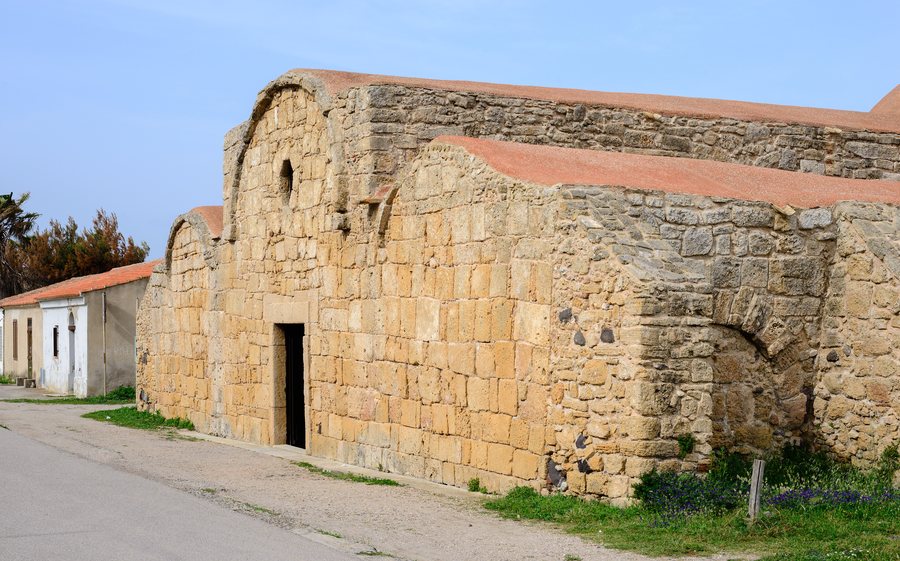 File:Church San Giovanni di Sinis - Cabras - Sardinia - Italy - 04.jpg
Photo: Norbert Nagel via Wikimedia Commons, CC BY-SA 3.0
File:Church San Giovanni di Sinis - Cabras - Sardinia - Italy - 04.jpg
Photo: Norbert Nagel via Wikimedia Commons, CC BY-SA 3.0
Archaeology, museums and Sardinian traditions
A highlight for visitors interested in cultural history is Su Nuraxi di Barumini, Sardinia’s best-known example of a Bronze Age defensive complex of the nuraghe type. The site was inhabited from the construction of its nuraghe in the 2nd millennium BC until the 3rd century AD. The Nuraghe Nolza also conveys the scale of these early structures: its central tower is now about 13 metres high and rises above a settlement of huts covering two and a half hectares. It is considered one of the largest and best-preserved prehistoric monuments in central Sardinia.
In Cagliari, the National Archaeological Museum presents almost 7,000 years of history, from prehistory to the early Middle Ages, through more than 4,000 objects. The Cittadella dei Musei is the largest museum complex in Cagliari and throughout Sardinia. Its exhibition rooms incorporate Roman cisterns, Spanish fortifications and Piedmontese prisons. For a trip with a strong cultural focus, such museums and archaeological sites can be decisive when choosing suitable accommodation.
Samugheo in Mandrolisai, in the province of Oristano, presents another facet. The town is known for carpets, tapestries and traditional clothing created through a weaving tradition passed down for centuries. Murats showcases textile works from throughout Sardinia. Tessingiu renews the textile tradition every year with a specialist exhibition and trade market. Pecorino, wine and bread are also part of the local heritage; in October, a folk festival is dedicated to bread.
Nature parks and routes for different kinds of travel days
The Tepilora Regional Nature Park encompasses almost 8,000 hectares of forests, paths and waterways stretching from the mountains of Barbagia to the coastal wetlands. The Torpè–Monte Nurres route ends with a path accessible only on foot and equipped for observing wildlife. From there, visitors have a 360-degree view of Monte Tepilora, the Rio Posada valley, the Siniscola plain and the sea. The Rio Posada has a meandering form unique to Sardinia and is used by canoeists and birdwatchers.
In the National Park of the Gulf of Orosei and Gennargentu, peaks, pastures, plateaus, gorges, ancient forests, sea cliffs, caves and beaches come together. There are routes for trekking and mountain-bike excursions. Via the Rete Escursionistica della Sardegna, or RES for short, the island can be explored along paths suitable for everyone from beginners to experienced hikers. The network of paths is connected to the Cammini di Sardegna and has been improved in terms of usability for residents and visitors.
Islands, sea and distinctive coastal landscapes
For maritime experiences, the island offers several destinations in their own right. Asinara can be reached via a public maritime service operated by Compagnia di Navigazione Delcomar on the Porto Torres–Cala Reale route. In Cala Reale, guides and visitor centres provide information about possible activities and visits in the national park. In Zone B of the marine protected area, diving, swimming, sailing, rowing and snorkelling are among the activities permitted.
The La Maddalena Archipelago National Park covers more than 20,000 hectares on land and sea, 180 kilometres of coastline and more than 60 islands; its seabeds offer opportunities for diving. The Capo Coda Cavallo marine protected area covers 15,000 hectares with clear water, bays, white beaches, islands and lagoons. At Cala Brandinchi, you will find very shallow water extending for several dozen metres, rocky areas with marine fauna and opportunities for snorkelling. Diving centres also accompany visitors to dive sites in the marine protected area.
Choose your base according to your interests
Anyone wishing to combine museums, nuraghi and textile traditions can plan their accommodation around the selected cultural destinations. For hiking days, on the other hand, travel plans in which the desired routes and nature parks are the focus are a good option. If islands and water sports are important, you should include the ferry connection to Asinara or the coastal and diving areas in your choice of location. The Trenino Verde is considered a network of four routes with a current total length of 163 kilometres, connecting Sardinia’s coast and inland areas and linking them with boat trips as well as excursions on foot, by bicycle and on horseback.
For further orientation in Sardinia: Cagliari, Carbonia-Iglesias, Medio Campidano, Nuoro, Ogliastra, Olbia-Tempio, Oristano and Sassari.

