
Faver: Trails, Vineyards and History in the Cembra Valley
Accommodation in Faver
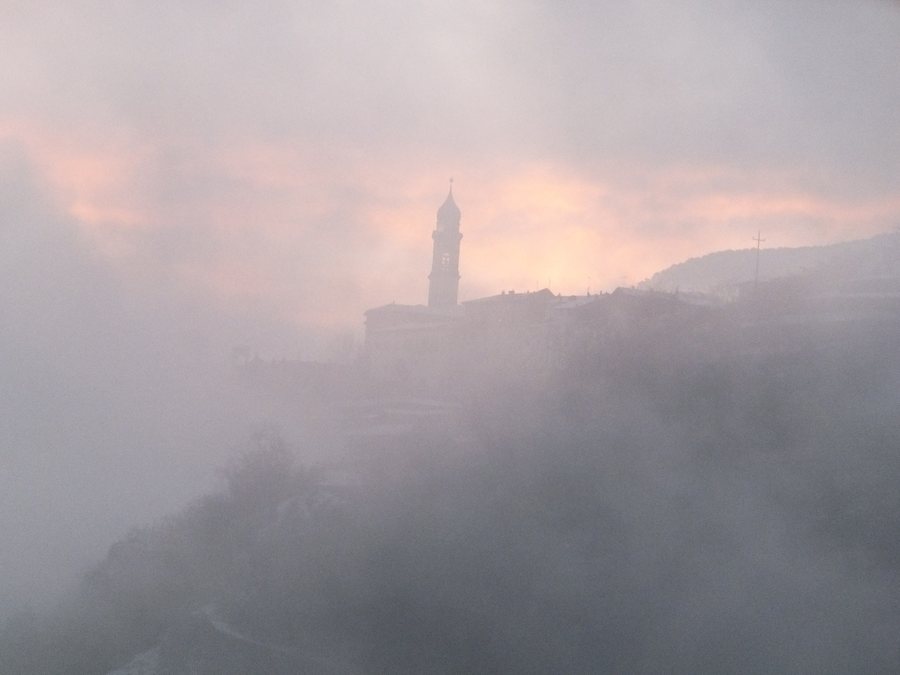
Faver combines the landscape of the Cembra Valley with historic trails, vineyard terraces and a distinctive local architectural heritage. The village lies at the foot of Monte Avvoltoio. Its settlement pattern and architecture follow a descending valley; the houses stand on terraces planted with vines. Characteristic lanes branch off from the main road between stone buildings. Wooden overpasses and passageways shape these paths, which are known as “frone”.
History in Churches, Bridges and Lanes
A notable historical landmark is the parish church Chiesa Parrocchiale di S. Filippo e S. Giacomo. It was consecrated in 1116, rebuilt in 1462 and extended several times over the following centuries. The traditional Rione Cort also has its own elements that define the local townscape: its own fountain and its own square.
Local tradition includes the Capitello della Madonna delle Grazie, which is associated with the legend of l’Om Selvàdech, the “wild man”. In the surrounding area, near the cemetery, a branch from the Ponte di Cantilaga leads to the ruins of Castello di Segonzano, which was founded in the Middle Ages. The Ponte di Cantilaga itself was first mentioned in 1472. After several rebuildings, the bridge that exists today was constructed in 2007.
Discover Historic Trails and Landscapes
For planning your day, Faver offers several clearly distinguishable trail connections. The Paesaggi di vite route starts in the centre of Faver and follows the signs for the European long-distance trail E5 to the historic Via della Corvaia and the Ponte di Cantilaga. On the way back, it leads along field paths between the vineyards to Faver. In this way, the townscape, historic route and terraces shaped by grapevines form a shared thematic connection.
The Via della Corvaia leads from Faver down a paved mule track to the Ponte di Cantilaga. Faver is also located on the Via del Dürer, the route from Klösterle di San Floriano to the earth pyramids of Segonzano. Another trail is Semita Aqua, which leads from the village of Faver to the bridge of Cantilaga. This route includes a short exposed section secured by metal cables, as well as several steep passages and steps. When comparing different trails, you should take these specific route features into account in your personal planning.
Wine and Local Family Stories
Faver’s wine landscape can also be experienced through specific places of production and tasting. At Azienda Agricola Giorgio e Federico Paolazzi, visitors can taste the new sparkling wine “Gradar” and the Cembra Valley’s best-known wine, Müller-Thurgau. A family story is told alongside them. The Paolazzi family’s new cellar was established in the basement of the family’s old house in Faver.
Another facet of the local beverage culture is represented by the newer facility of Distilleria Pilzer in Portegnac di Faver. It has larger rooms and renovated stills. Together with the trails through the vineyards, the lanes between the stone buildings and the historic structures, this creates a varied picture of Faver: the village can be discovered through its landscape, history, architecture and wine. Anyone considering accommodation in Faver can combine these different themes when planning their day.
More Places for Planning Your Trip
Prè Di Ledro, Piazzo, Mezzolago, Piscine, Predazzo, Sarche, Nago-Torbole and Garniga Terme
For the overarching travel overview: Trentino.

