
Stigliano: Medieval Settlement Cores and Paths in the Merse Valley
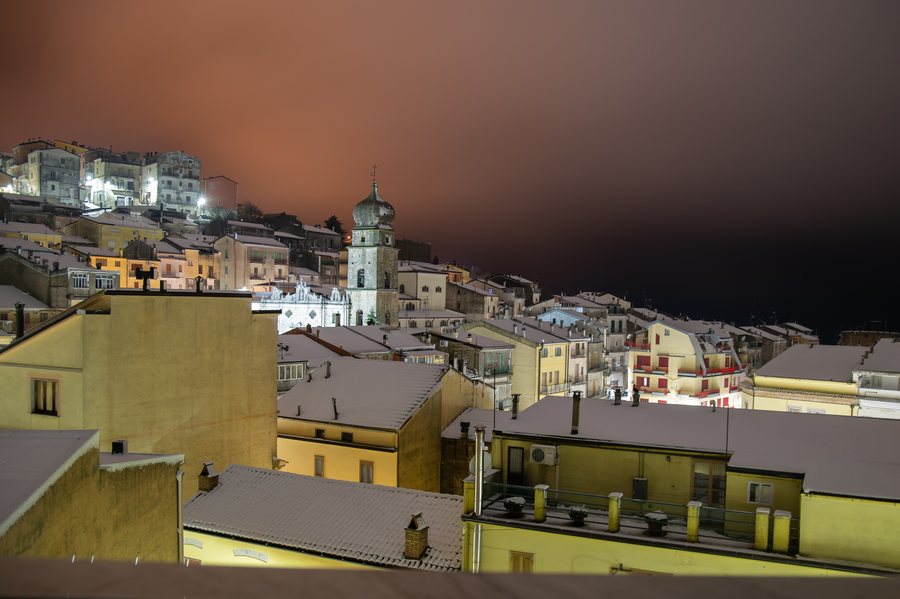
Between the Hillside and Three Settlement Cores
Stigliano lies on the eastern slope of the Montagnola Senese. The village comprises three settlement cores: Poggiarello, Il Palazzo and Il Poggio. For you, getting your bearings here begins not with a single attraction, but with a townscape made up of several historic cores.
Towers, Walls and Medieval Houses
Poggiarello di Stigliano is a historic settlement core with a tower and remains of its fortification wall. There, a crenellated tower preserves a sloping base, a small door flanked by a loophole and a machicolation above it. In the settlement core of Il Palazzo, there is a tower with a sloping base and large round-arched windows. In Il Poggio stands a stone tower with preserved remains of machicolations.
The rest of the townscape also points to a long history: numerous medieval houses have been preserved in Stigliano. They include a 14th-century house with a brick portico and a loggia. Stigliano was already ruled by the Ardengheschi counts in the 12th century. The historic traces are therefore spread across several building types and settlement cores.
Villa La Poderina and the Church of Stigliano
Near Stigliano lies Villa La Poderina, a protected cultural heritage site. Its garden is also a protected cultural heritage site. The Church of Saints Fabiano and Sebastiano stands beside the villa. The church of Stigliano is dedicated to these two saints. At the same time, it was considered overgrown with brush and inaccessible.
Avenues and Paths Through the Merse Valley
The Via dei 4 Borghi connects Orgia, Brenna, Stigliano and Torri in the Merse Valley. From the Piazza in Stigliano, it leads through a mixed chestnut forest towards Torri and past the source of the Busso. The Via also reaches the Piazza of the village of Stigliano, where you can take a break and find refreshments. The Fonte di Poggiarello, a fountain, is also located near Stigliano.
In the surrounding area, the Viali di Montestigliano form a monumental, straight cypress avenue. It rises and falls between the hills, crosses other cross avenues and is interrupted at the intersections by circular plazas. As a result, Stigliano is defined not only by its settlement cores, but also by deliberately designed landscape spaces.
Routes for Planning Your Day
The “I mulini della Val di Merse” route is described as a trail that follows Route No. 405 as far as the road connecting Stigliano with Podere Campalfi. On a forest road, it climbs about 600 metres uphill to the Viali di Stigliano, which are considered cypress avenues. Together with the Via dei 4 Borghi, this creates a clear picture of two different types of route: on the one hand, a connection between several villages; on the other, a route with an uphill forest section and avenues as its distinctive destination.
When choosing a hotel for your trip to Stigliano, you can therefore pay particular attention to the type of day you want to plan. The three settlement cores and their towers are ideal for an interest focused on cultural history; the Via dei 4 Borghi, the forest paths and the Viali di Stigliano place a second emphasis on the landscape and the course of the routes. The Piazza, the source of the Busso and the Fonte di Poggiarello add specific points of interest on site to this orientation.
For more destinations to include in your travel plans, you can also view Rosia and Carpineto.
For the overarching travel overview: Sovicille.
Check prices, availability and amenities for your travel dates directly on Booking.com.
View Accommodation and OffersAdvertisement · Affiliate link to Booking.com
