
Loreto Aprutino: Culture and Olive Oil in the Tavo Valley
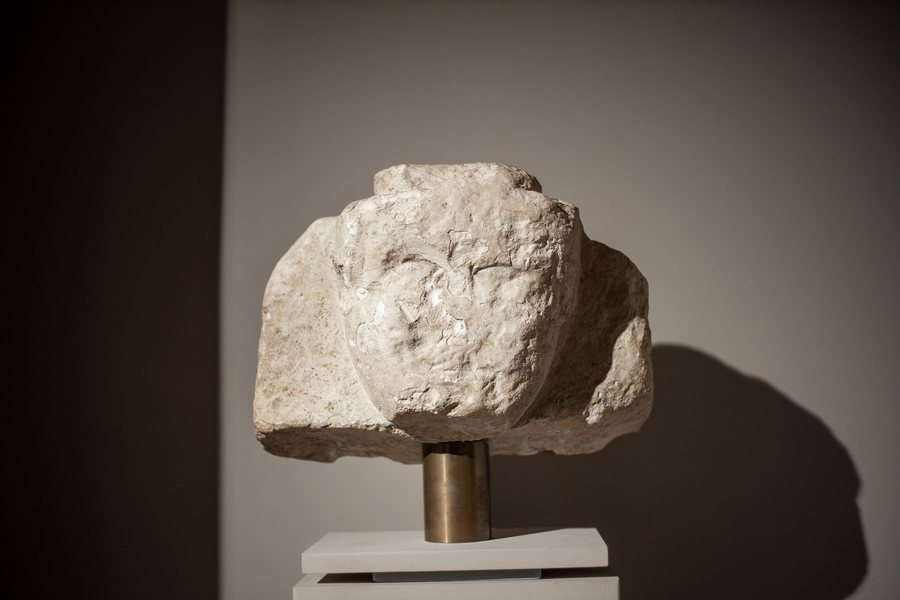 File:Testa Leopardi, dalla necropoli di Loreto Aprutino, VII-VI sec. a.C.jpg
Photo: Fabrizio Garrisi via Wikimedia Commons, CC BY-SA 4.0
File:Testa Leopardi, dalla necropoli di Loreto Aprutino, VII-VI sec. a.C.jpg
Photo: Fabrizio Garrisi via Wikimedia Commons, CC BY-SA 4.0
Loreto Aprutino is situated on a hill to the left of the Tavo River. Here, you can embark on a journey through sacred art, archaeological history, historic buildings and the region’s olive oil tradition. These different focal points make Loreto Aprutino a destination where cultural and culinary experiences can be combined with ease.
Art, museums and special experiences
Santa Maria in Piano bears the status of a national monument and preserves a cycle of frescoes. This includes a particularly prominent Last Judgement by an unknown artist. The Mostra permanente del Precinema offers a different way to experience the culture: an interactive tour featuring original and reconstructed 19th-century devices that are operational and available for visitors to use. The Mostra del Precinema also houses an animation film laboratory for planning and practically producing short animated films, as well as shadow theatre performances and pre-cinema workshops.
The Museo Acerbo Ceramiche di Castelli houses a collection of 570 pieces. It includes outstanding ceramics from family dynasties in Castelli (Te), dating from the 15th century to the early 20th century. At the Museo dell’Olio, the development of oil production can be traced through equipment and machinery from antiquity to the present day. The museum is located in the ancient Castello Amorotti.
Historic townscape and traces through the ages
As you walk through the Centro Storico of Loreto Aprutino, you will pass noble palaces and historically significant buildings. In the 15th century, Castello Chiola was the scene of military conflicts between the Angevins and the Aragonese. According to Nicola Vicini, its original structure dates back to the 9th century. A distinctive aluminium and glass roof transformed Castello Chiola into a place accessible for public use.
The San Pietro Apostolo complex already existed as an abbey in 1066. Fontana Vecchia was built by Baron Casamarte in 1836–1837 and was formerly used for the public water supply for agriculture, washing clothes and watering animals. The Antiquarium Casamarte displays important archaeological finds from the municipality of Loreto Aprutino; these finds attest to human presence in the area since the Palaeolithic.
Religious and festive traditions are also part of the townscape. The San Zopito festival was introduced in 1709 with a procession in historical costumes. San Francesco has an organ created by Adriano Fedri in 1745.
Olive oil as a regional theme
Loreto Aprutino is one of the three towns in the so-called “Golden Triangle of Olive Oil”. Together with Moscufo and Pianella, the town contributes to the production of extra virgin olive oil with the protected designation of origin Aprutino-Pescarese. The olive oil route known as “Aprutino” runs through the Tavo Valley and extensive olive groves to Loreto Aprutino.
At the Oleoteca Regionale, you can see products from various local oil mills in Loreto Aprutino. Visitors can taste particularly high-quality olive oil varieties there. The Parco botanico del Ligustro adds a green accent near the historic centre, with old boxwood and cypress stands, elms, holm oaks, various palms, monumental persimmon trees and cedars.
Check prices, availability and amenities for your travel dates directly on Booking.com.
View accommodation and offersAdvertisement · Affiliate link to Booking.comMore destinations
For further travel planning, you can also discover Civitaquana, Serramonacesca, Collecorvino, Montebello Di Bertona, Picciano, Rosciano, Cepagatti and Pescosansonesco Nuovo.
To the higher-level travel overview: Pescara.

