
San Giacomo Delle Segnate: Churches, Villas and Cycle Routes
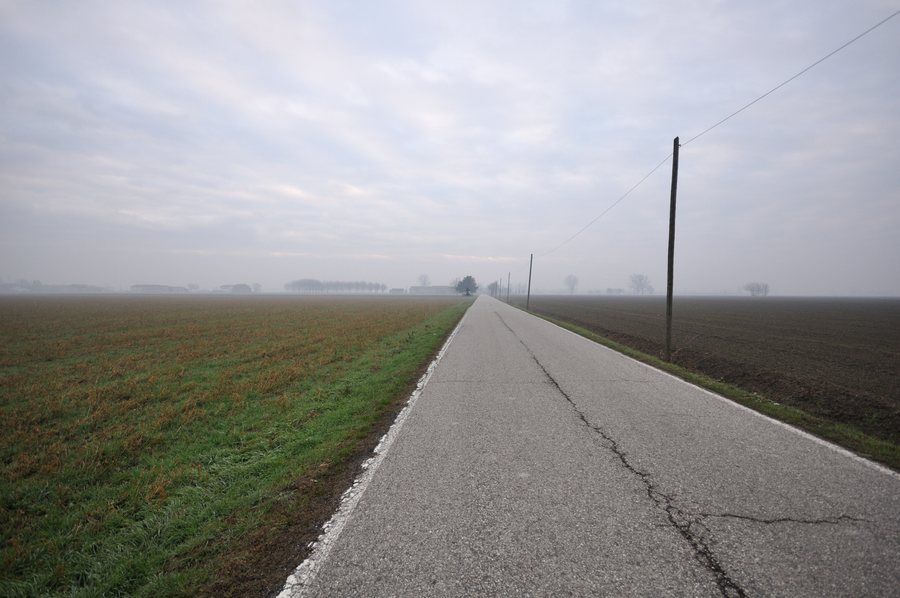 File:Via Cappelletta Stoffi - San Giacomo delle Segnate, Mantova, Italy - January 2, 2012 03.jpg
Photo: Giorgio Galeotti via Wikimedia Commons, CC BY 4.0
File:Via Cappelletta Stoffi - San Giacomo delle Segnate, Mantova, Italy - January 2, 2012 03.jpg
Photo: Giorgio Galeotti via Wikimedia Commons, CC BY 4.0
San Giacomo Delle Segnate combines local history, rural architectural heritage and regional cycle routes to create a destination with several cultural perspectives. If you would like to get to know Italy through specific buildings and historic townscapes, the Church of San Giacomo Maggiore Apostolo stands in the town centre; it was built in the Baroque style in 1778.
Baroque Churches and Rural Architectural Heritage
About one kilometre from the town centre, on the road to Poggio Rusco, lies Villa Arrigona. It was built between 1613 and 1622 to a design by the architect Antonio Maria Viani. The central connection to the town and a historic building along the road thus emerge in different spatial contexts.
The Oratorio della Sacra Famiglia is located in the hamlet of Malcantone. This religious building broadens the view of San Giacomo delle Segnate’s architectural diversity with another local point of reference beyond the town centre.
During the restoration of Corte Rezzaghi, the façades, decorated interiors and impressive staircase were preserved. Corte Elvira is considered one of the most beautiful rural farm complexes in the area. For visitors interested in culture, this creates two different ways of approaching rural architectural heritage: one through preserved design elements, the other through the character of a farm complex.
Historical Layers between the Middle Ages and the Industrial Era
The history of the municipality leaves open the possibility that at least part of today’s municipal territory may have belonged to the donations with which Tebaldo di Canossa founded Polirone Benedictine Abbey in 1007. This cautious historical connection points to the area’s long development without defining the possible extent of those donations at the time more precisely.
The Camino Fornace Hoffmann adds a different emphasis: it is an example of industrial archaeology from the early 20th century. The range of historical themes thus extends from religious and aristocratic buildings to the industrial traces of a more recent era.
Ca' di Pom is located in San Giacomo delle Segnate, the birthplace of the artist Vanni Viviani. After leaving Milan, Viviani made the building his home. The site therefore connects local history with a specific artist’s biography rooted in San Giacomo delle Segnate.
Cycling Region and Agri-Tourism Aspects
The Oltrepò Mantovano has more than 470 kilometres of tourist cycle routes. They link towns and hamlets, historic buildings, museums, hydraulic engineering structures, parks and nature reserves. This gives cycle tourists a regional perspective in which culture, landscape and different townscapes can be considered together.
Another aspect is the Azienda Agrituristico-Venatoria “Malcantone” di Bisi Fausto. It is an agricultural hunting estate with an agri-tourism offering. When choosing your accommodation, you can tailor the focus of your stay to these specific themes: religious and residential buildings, rural agricultural culture or the region’s tourist cycle routes.
More Places to Discover
For further local discoveries, you can continue to the following destinations: Redondesco, Gonzaga, Castiglione Delle Stiviere, Pomponesco, Gazzuolo, Sabbioneta, Suzzara and Castel Goffredo.
To the higher-level travel overview: Mantua.
Check prices, availability and amenities for your travel dates directly with Booking.com.
View Accommodation and OffersAdvertisement · Affiliate link to Booking.com
